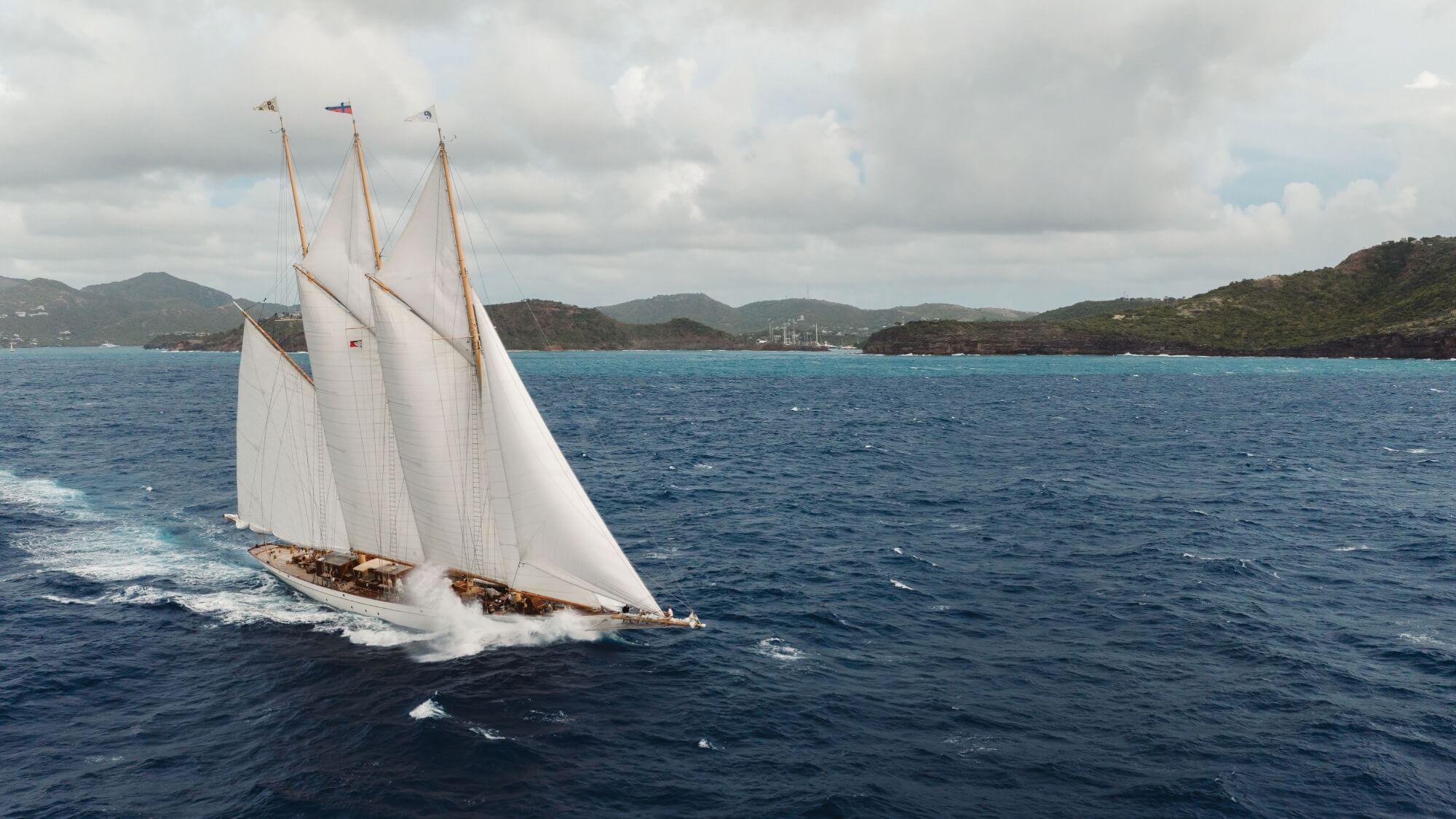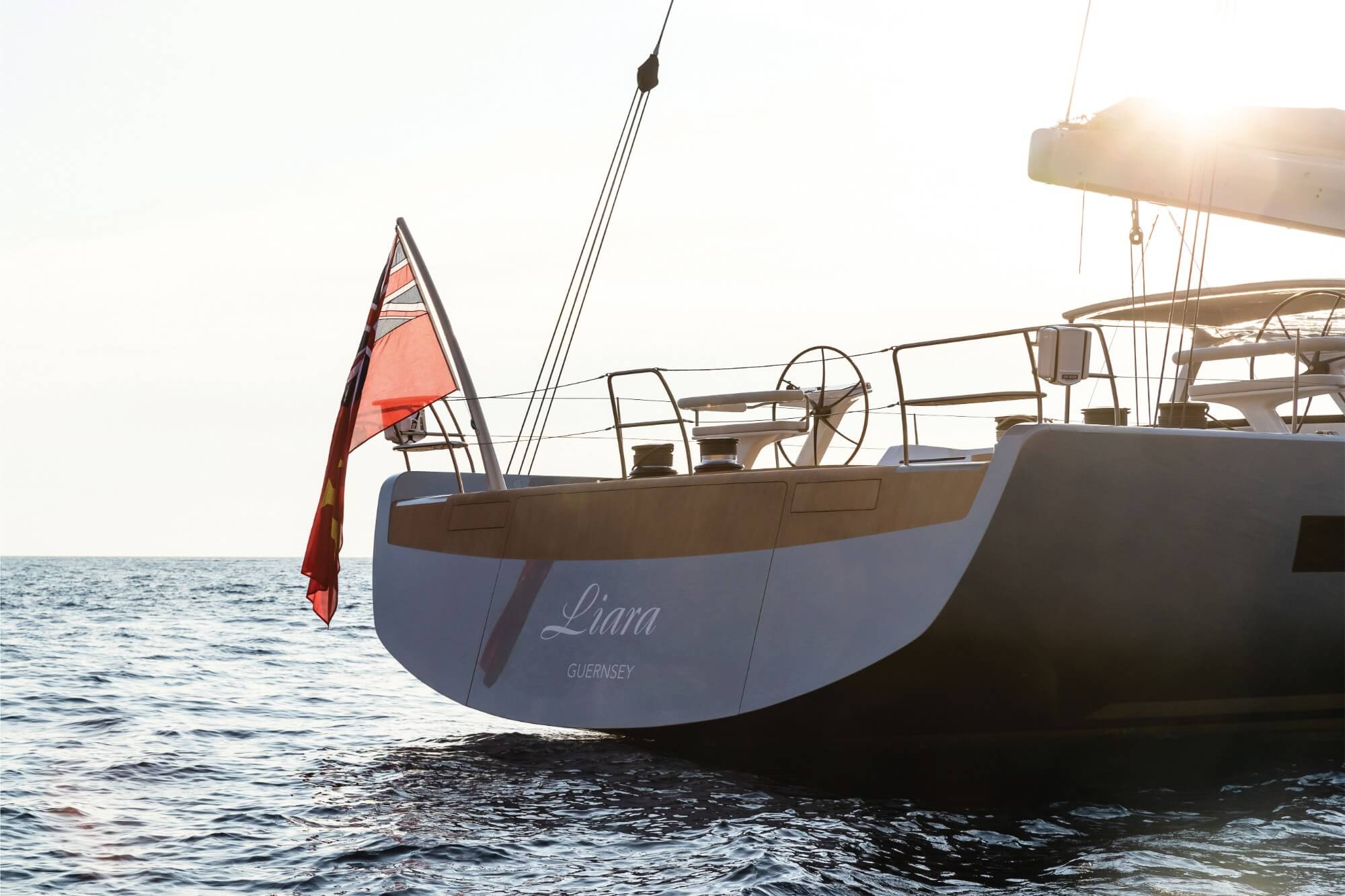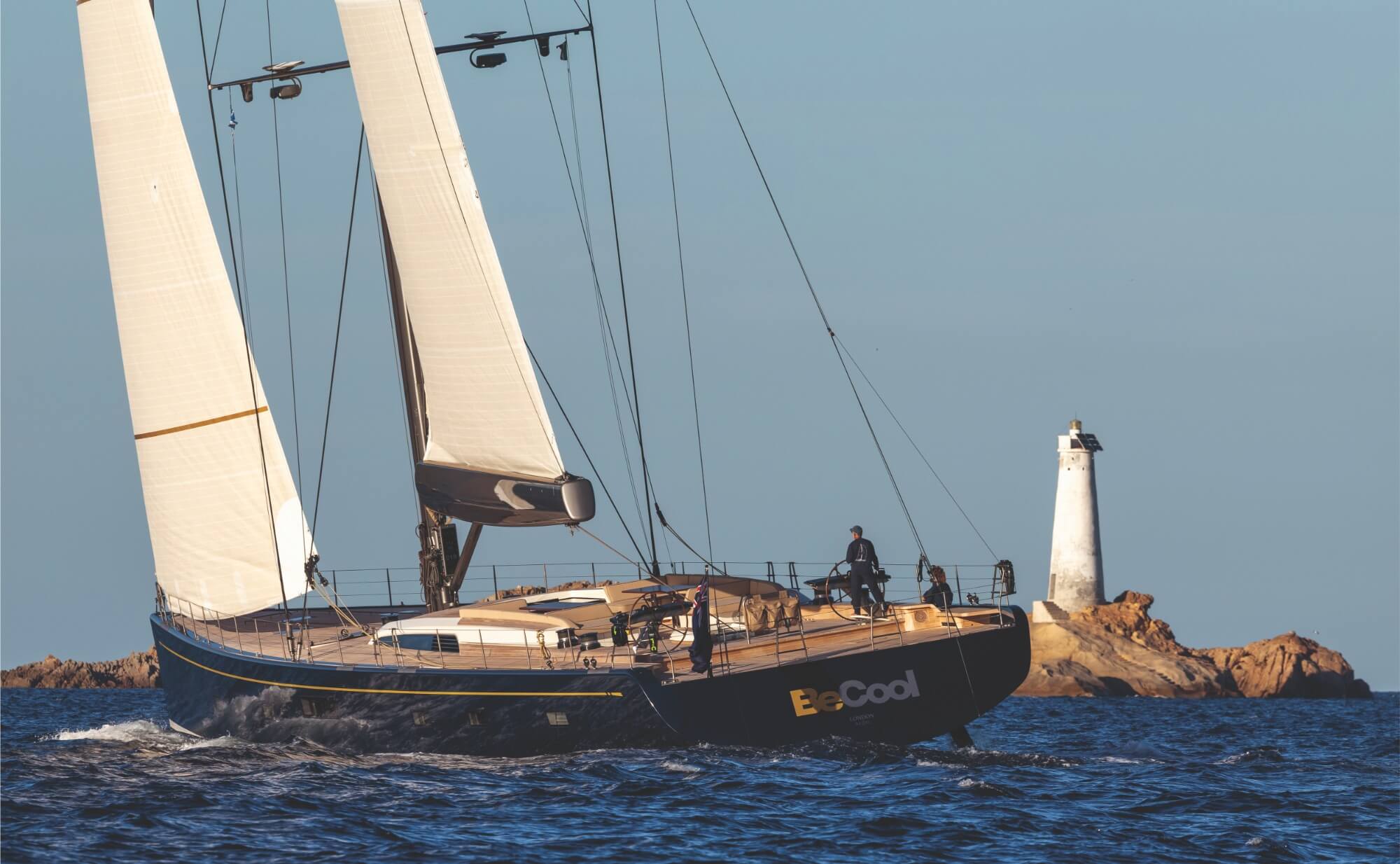

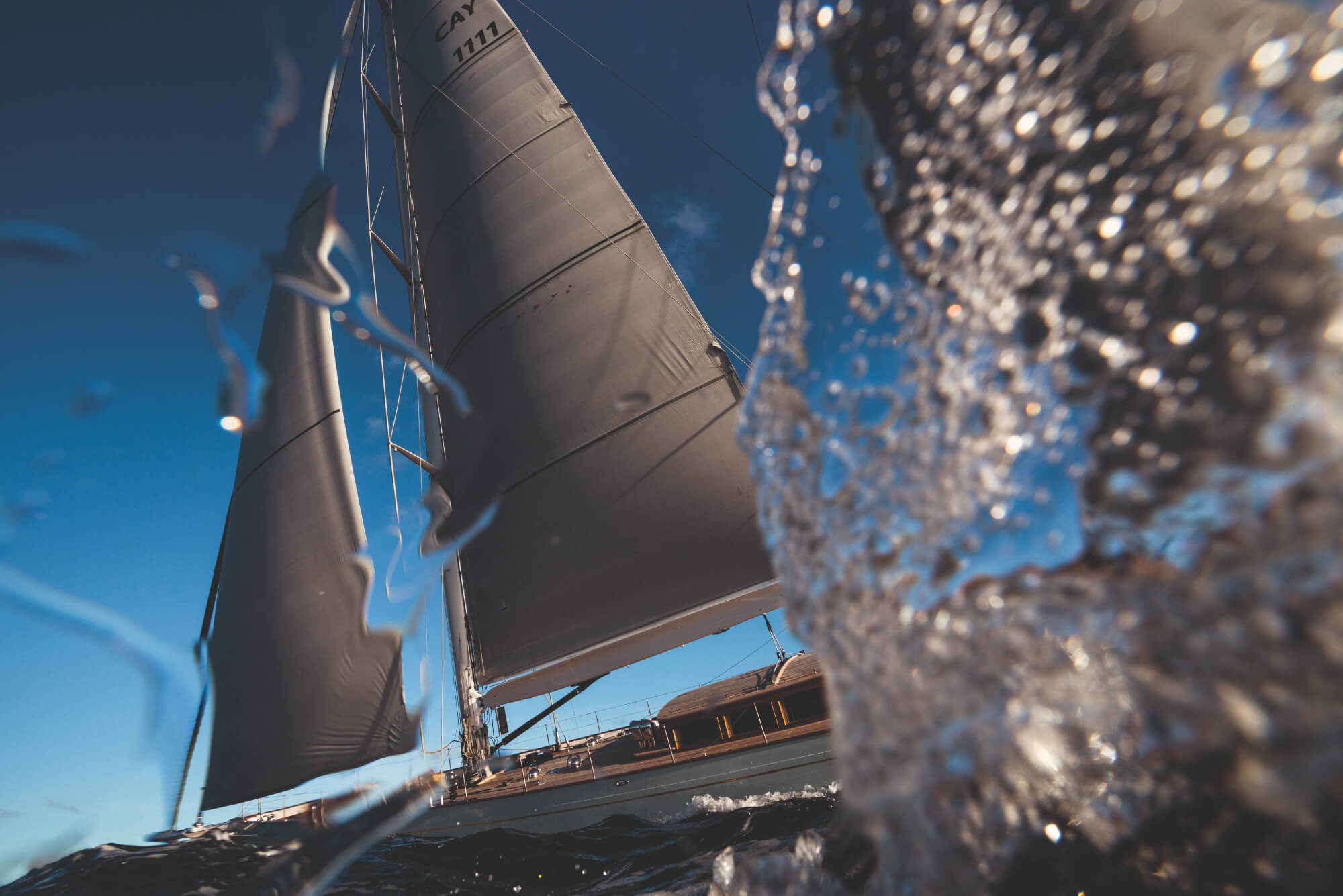
It is fair to say that the vast majority of Superyachts are generally sailed at half throttle. This is hardly surprising, given that their primary purpose is leisure, pleasure and relaxation. But it is a funny irony that this same tendency, to sail such giants conservatively, is also what makes the Superyacht racing scene so compelling. The handful of regattas held throughout the year, bringing together some of the biggest sailing yachts in the world to do battle, are priceless. All of a sudden, the handbrake is off and the sight of these titans being sailed full speed is a compelling blend of power and beauty.
Few are in a better position to talk about the topic than Mike Sanderson, President of Doyle Sails, who has a pedigree in big boat racing stretching back to the days of Supermaxis such as New Zealand Endeavour and taking in the America’s Cup and record-breaking dashes across the Atlantic aboard Mari-Cha III and IV. When he is not running a sail loft that, along with North Sails, supplies the vast majority of Superyachts, he keeps his hand in, remaining active on the regatta circuit. “Superyacht racing is different to grand prix racing,” he says. “A grand prix team will keep together. Superyachts do the occasional race and it’s always a bit lower key.” Sanderson notes how key the 2014 decision to race under ORCsy [Offshore Racing Congress] rule is to the good health of the scene at present. He also flags the fact that ORCsy rules include measuring the quality of a yacht’s design, be that an all-out cruiser or a stripped-out race-oriented boat. Thus, clever design is rewarded.
“The previous, ultimate PHRF [Performance Handicap Racing Fleet] rule was that if you won one race they would change your rating and you probably couldn’t win the next day,” Sanderson explains. “That meant that if your boat was really slow, you got a great rating which annoyed a lot of people because if you had a good boat you were penalised. The good thing with ORCsy is that, over the last 10 years, the opposite [has become] true, and that means from a design point of view the Superyachts are way, way nicer to sail, even [while] cruising. There is a lot more focus on the boat being the best version of itself.”
For regatta racing, that means better sailing boats and closer racing. The establishment of the Superyacht Racing Association [SYRA] in 2011 has also helped to craft a solid framework of events throughout the year, with nine in 2026, stretching from New Zealand to Greece and taking in all the classic stopoffs, including Palma for the Superyacht Cup and the Costa Smeralda for the Giorgio Armani Superyacht Regatta. The Caribbean also remains one of the big focal points over the winter months and the addition of The Pursuit Superyacht Invitational, brought to you by TIDE in February, will add another element to the season. Meanwhile, the St Barths Bucket is one of the jewels in the crown of the Superyacht racing calendar and arguably the event that the whole year pivots around: hard racing in sparkling Caribbean conditions combined with a stunning island backdrop and great ambience ashore.
Superyacht racing has been pretty stable over the past few years, with the number of participants remaining consistent. The introduction of the Ibiza Joy Sail in 2021 also proved to be an inspired move. Taking place in late September, the party island offers a superb backdrop to racing and numbers have grown year on year.
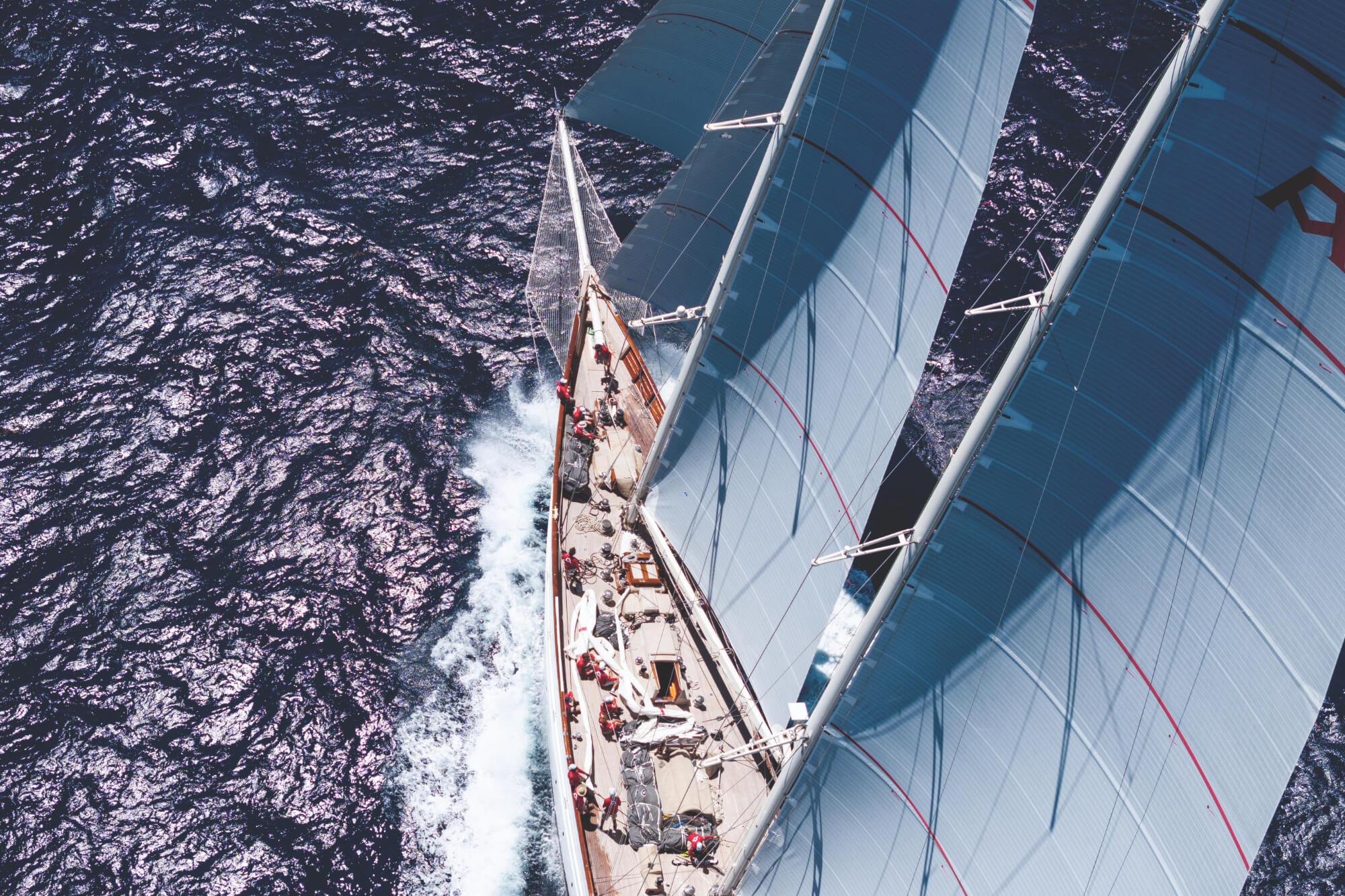
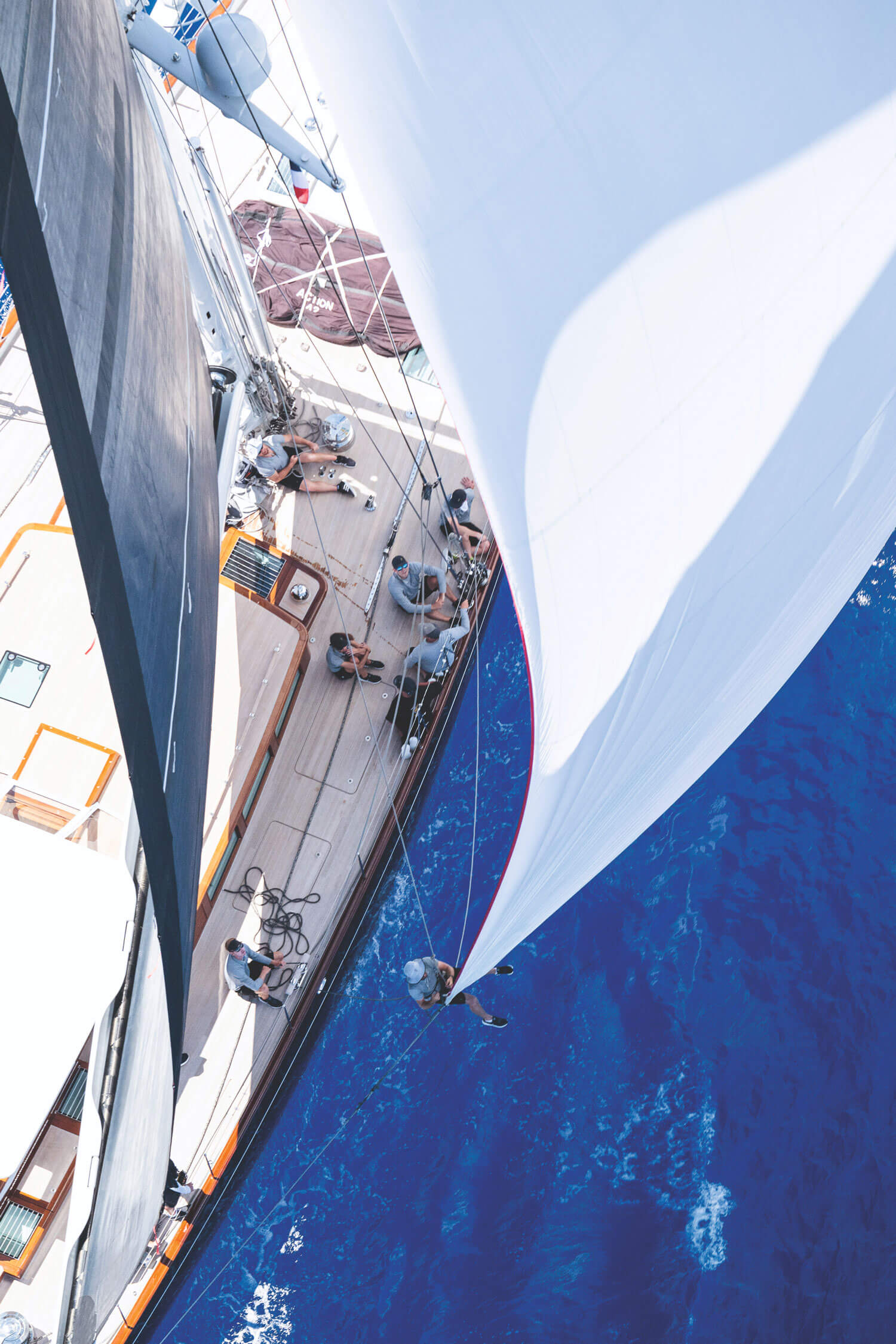
So what’s it like being part of a Superyacht regatta, at the heart of the action? “It’s a very varied experience because the fleet is so varied,” Sanderson says. “On some of the yachts, these regattas are about the only time that the sails are sheeted in hard and the boat is really pushed and that’s a great feeling. The sheer power of some of them is just awesome. The permanent crew generally love it when the boat goes racing because they actually get to sail it hard and the whole crew can get involved and get amongst it.” Although it’s not all about the power and the glory. “I sail regularly on a very cruisey yacht called Whisper,” continues Sanderson. “Even though the boat is not very race-oriented, we just have a great time. It’s not like the owner doesn’t know about full-pelt racing either as he also owns Bella Mente, a Maxi 74 Grand Prix racer – but that’s an example of the importance of the regatta scene because, without that, we wouldn’t go sailing with him on his more laid-back Superyacht and he loves that.” Due to the more casual approach to Superyacht racing, with boats dipping in and out of the events, it is less common for one yacht and crew to dominate over a long period. That said, in recent years the boat to watch has often been the beautiful 66m ketch Hetairos, built by Baltic Yachts and designed by Dykstra Naval Architects back in 2011, and which Sanderson describes as an “absolute beast”. The newcomers Nilaya and Maximus have also put in some head-turning performances recently.
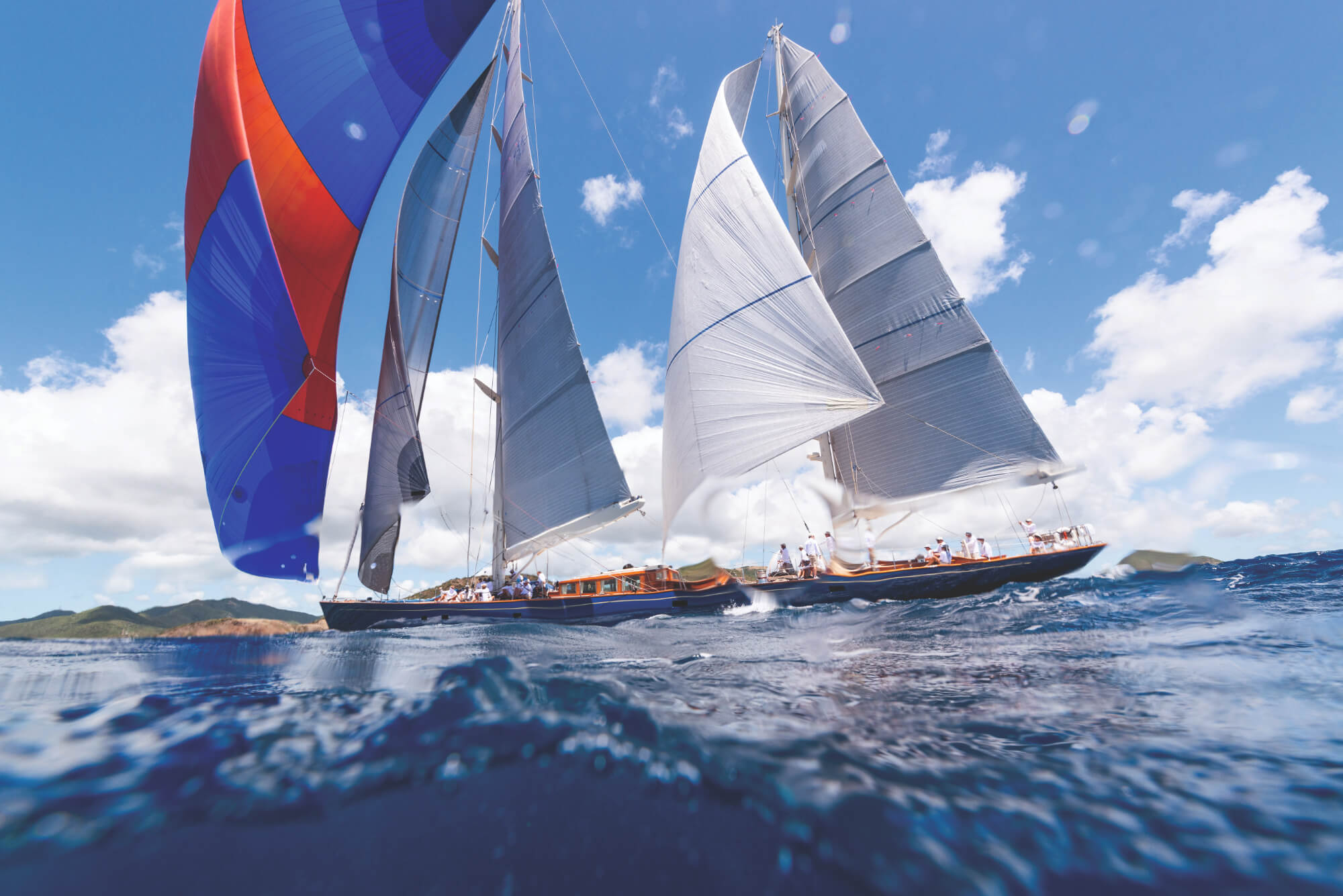
Superyacht racing has unquestionably also pushed innovation forwards and ensured that designers are factoring a certain level of performance capability into their creations, because they’re aware that the boat may be raced, even if just once in a while. From a sailmaking perspective, there is little question that regattas have driven creativity, too. “You only have to look at the old magazines from the 90s or 2000s to see that the tolerance for what was a nice sail has diminished greatly,” Sanderson says. “Everyone expects perfectly taut, smooth sails and that has pushed us forward. At the same time, people expect longevity as it’s a big deal shifting sail on a Superyacht, so the sailmaking industry has been under a lot of pressure to build fast, smooth, strong sails that last a long time – and those things don’t go hand in hand naturally.”
Sanderson suggests that racing has done a lot for improving the enjoyment of the boats even when they are in cruising mode. “It means the boat has to be more than just floating accommodation – designers always have these regattas in the back of the mind,” he says. “It’s not about stripping the boat out; just improving the all-round performance – that’s the real value. Racing on Superyachts is keeping the pressure on the industry and the naval architects to keep improving – and that’s a really good thing.”