

Good drivers are legion, but true Formula One legends are rare. The ebullient Australian Jack Brabham was one such, winning no fewer than three F1 Driver’s Championships between 1959 and 1966. The man himself has sadly passed on, but his winning ways are still making headlines thanks to the recent performance of the 100ft Supermaxi that bears his nickname as a tribute.
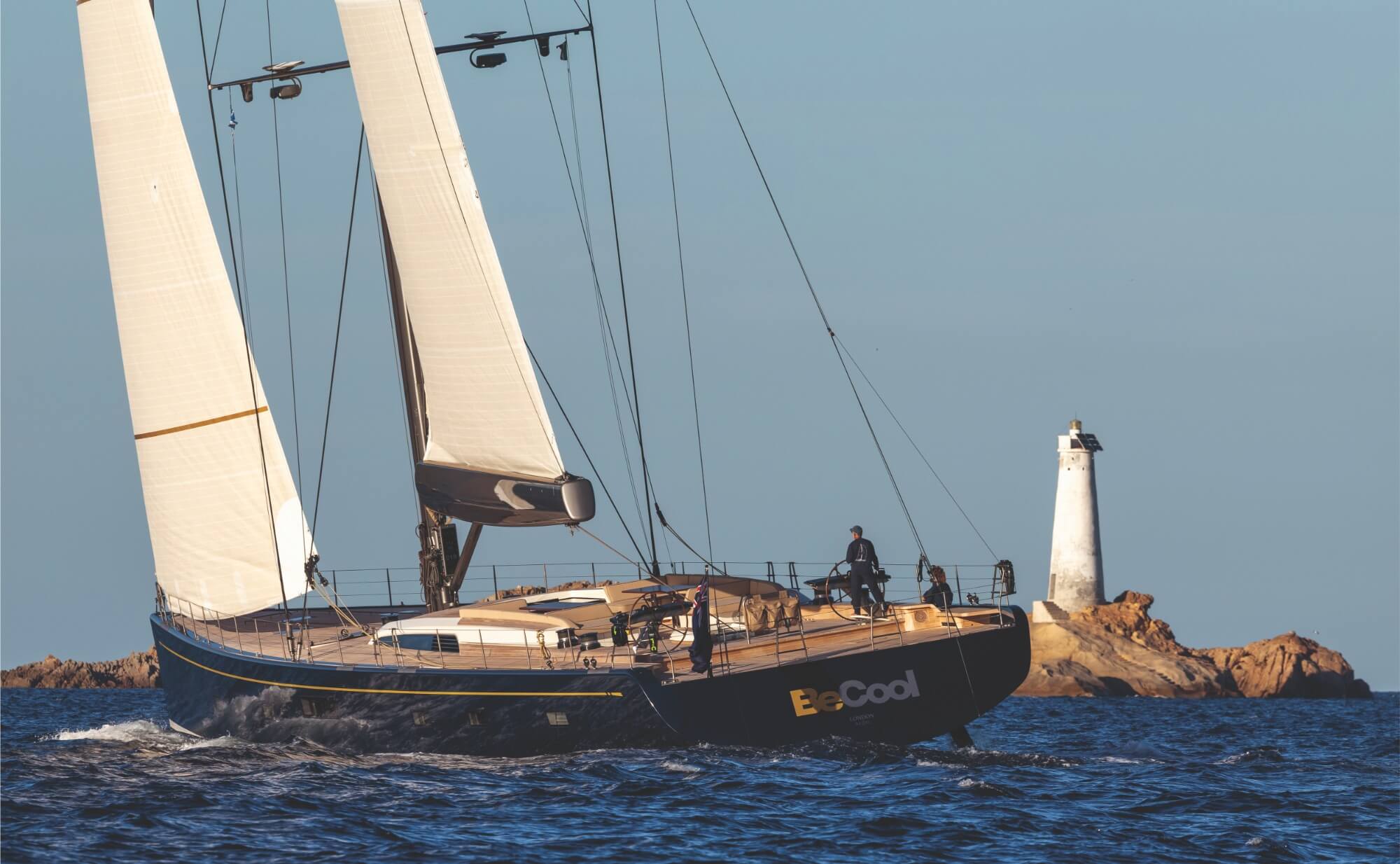
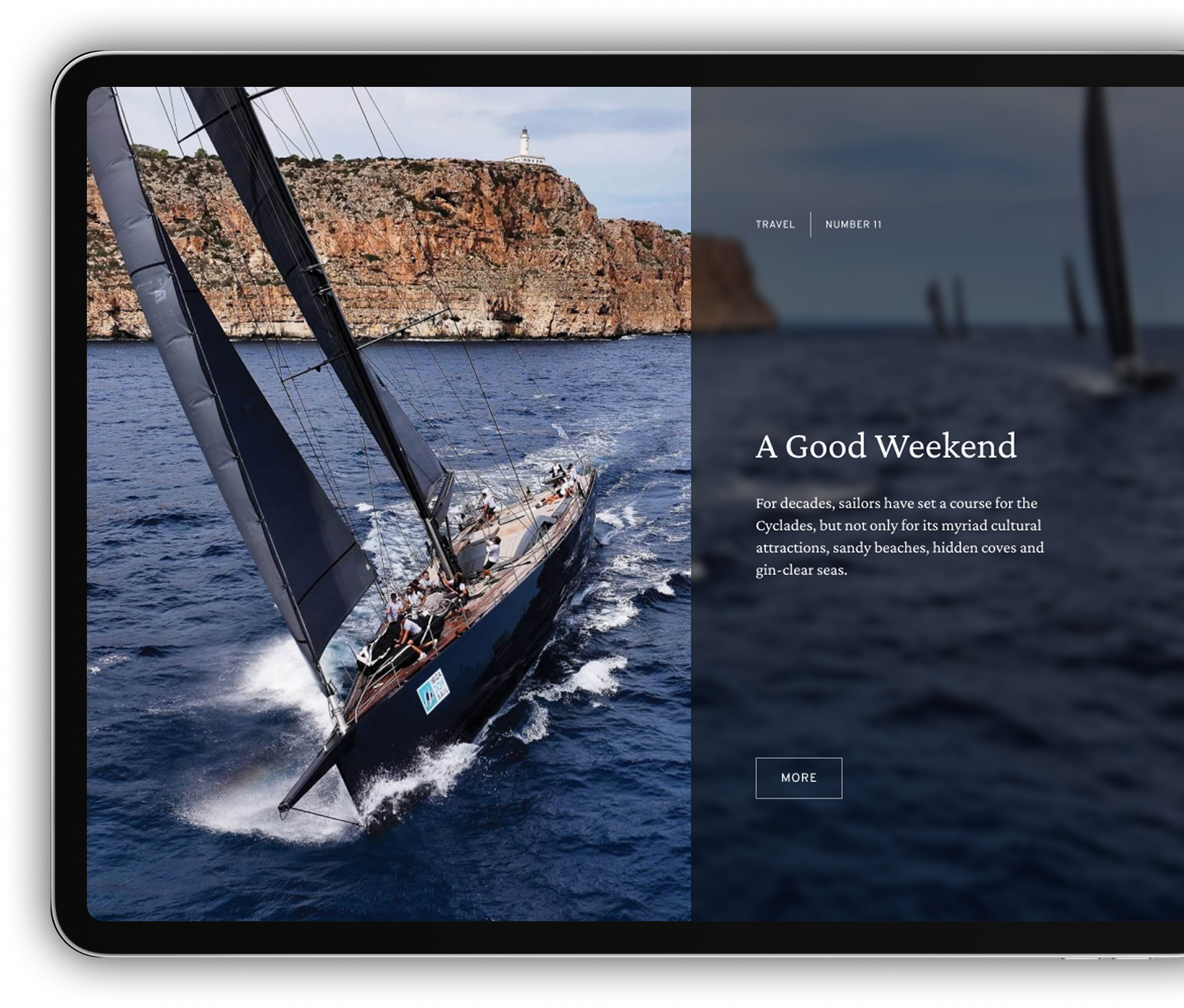
Black Jack is a storied Reichel/Pugh design that has collected line honours in the world’s biggest yacht races so many times it’s bordering on greedy. From the Rolex Sydney Hobart to the Giraglia Offshore Race, she has bagged dozens of major titles since her launch in 2005 as Alfa Romeo II, beating the likes of Comanche and Wild Oats XI. Peter Harburg named her Black Jack after his great driver friend, and now she has been given a new lease of life by Remon Vos, a determined Dutch owner who sees many years of strong performance ahead.
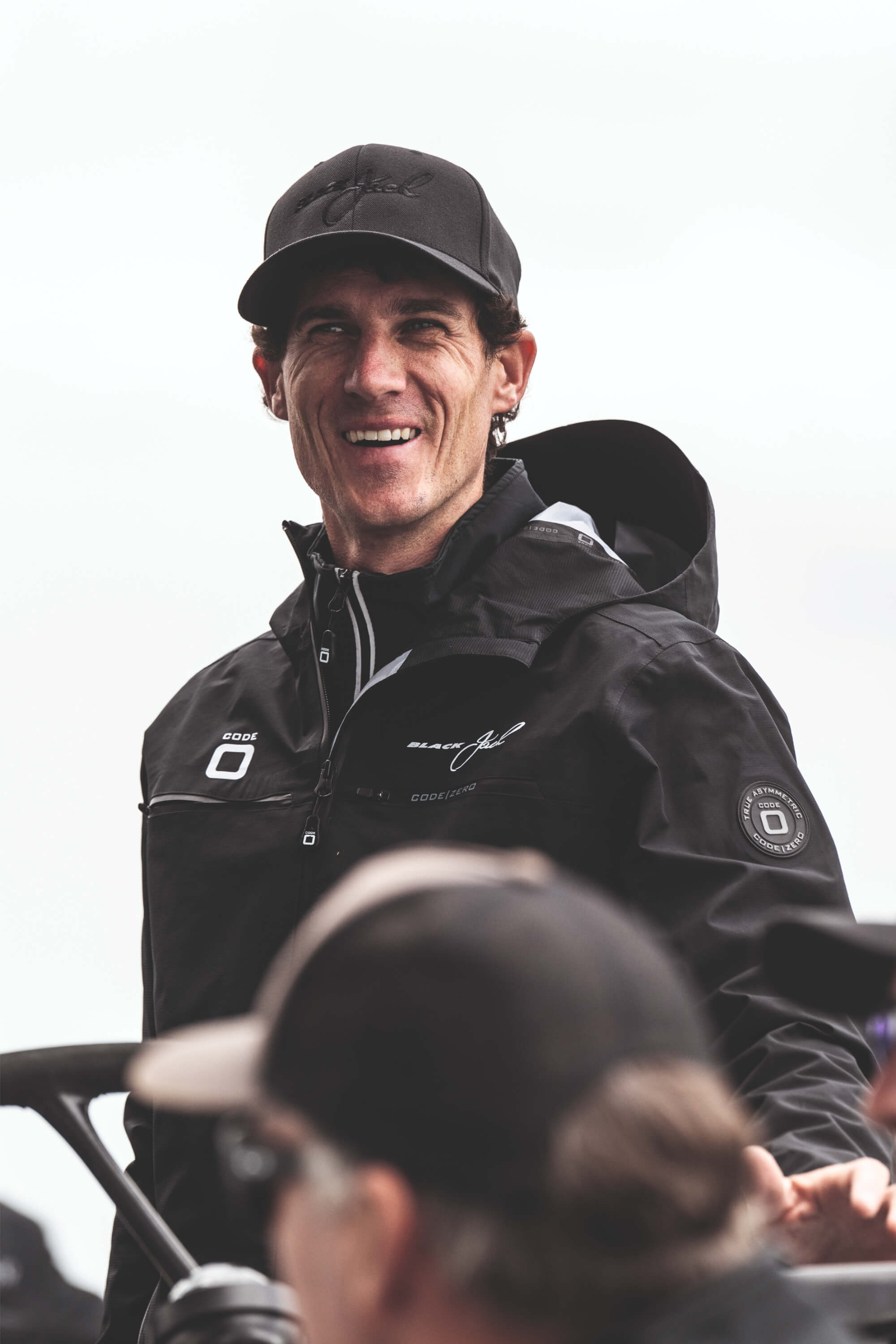
“This is a new chapter of his life and it makes his world bigger – he finds it very, very fulfilling,” says his young Captain, Tristan Le Brun. “It’s unbelievable how Black Jack goes in any conditions: in four knots of wind you get eight-ten knots of boat speed. She just keeps going, all the time! You never, ever get bored when sailing!”
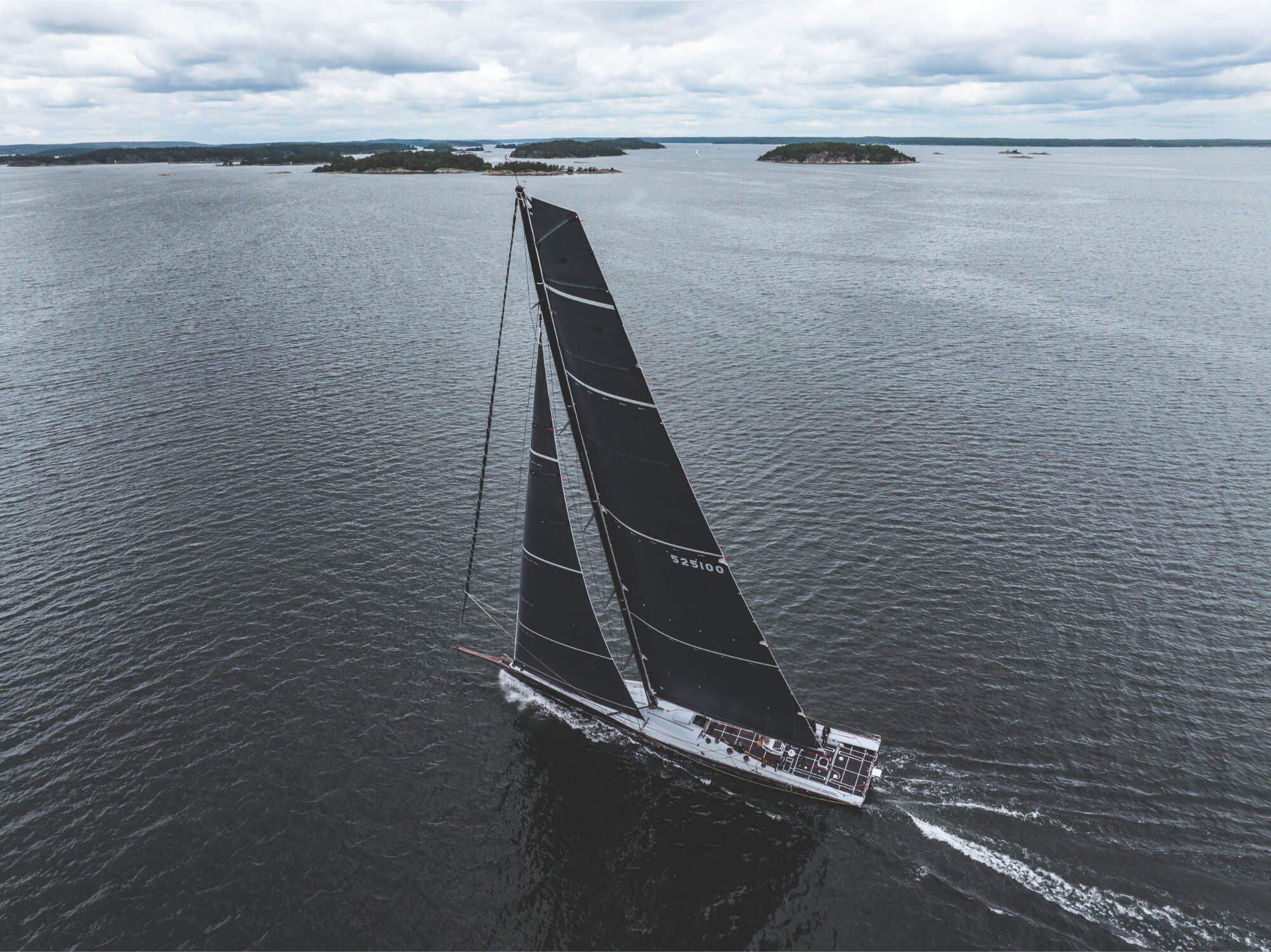
Vos only took ownership of the yacht last year after falling hard for racing in a ClubSwan 50. Despite what must have been a steep learning curve for a growing crew, the Black Jack has been on blistering form recently, taking line honours again in the Rolex Fastnet Race with a 58-minute lead over her nearest rival, Scallywag. “It could have been more – we left some time on the racetrack,” says Le Brun. “We’re still learning and improving.”
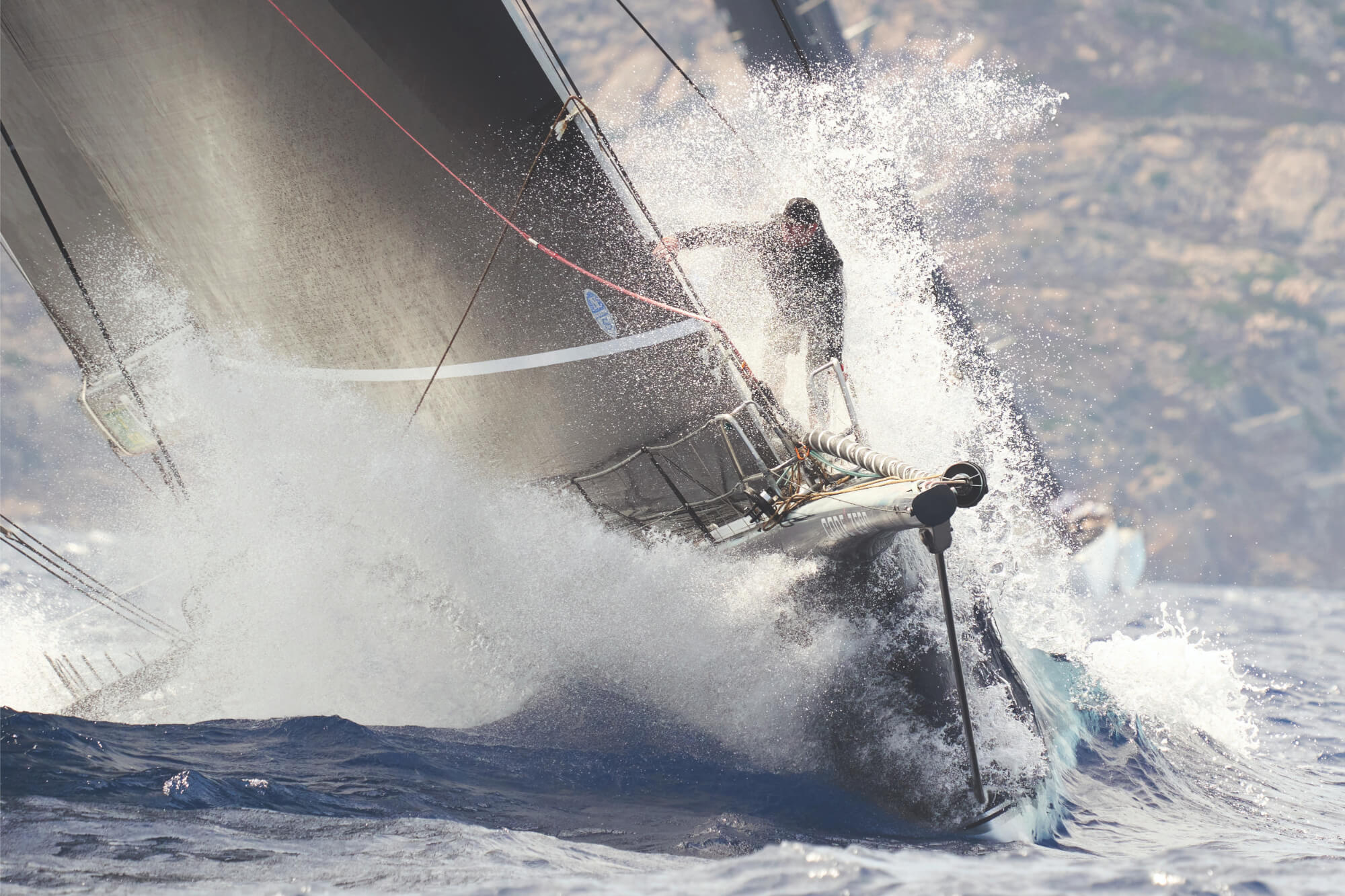
The boat was fresh from setting a new course record in the world’s largest offshore race, the Gotland Runt, completing the 314-nautical-mile course in just 22 hours and 4 minutes. They came within touching distance of a similar feat in last year’s Giraglia Offshore Race, where the young team won in 15 minutes off record time. “Gybing round the Giraglia Rock in 40 knots, I wanted to protect the boat, so stood on for the lee of Corsica,” says Le Brun with a trace of regret. “That was my decision and it cost us some time. But it’s a trade-off. I always say you can’t win a race if you don’t reach the finish line.”
With her high-modulus Southern Spars rig supporting three overlapping headsails, a fat-head main and an 810-square-metre spinnaker, Black Jack has the options required for sizzling performance in any conditions. Jarrad Wallace of Southern Spars has worked with the boat from the start through her four-rig changes, and notes how the requirements have evolved over time. “The first rig was for a pin-head main,” he says. “It was not so good for heavy airs offshore, so she pretty quickly got a fat-top main and running backstays. Number two was a pretty light Transpac set-up – cutting-edge with one less spreader and a larger mast section. Then in 2017, we did a really big upgrade,” he continues. “The forestay moved forward and we converted the running backstays to a single stay with three deflectors. We made room for a furling J2 and added a fourth reef to the main, plus whisker poles.”
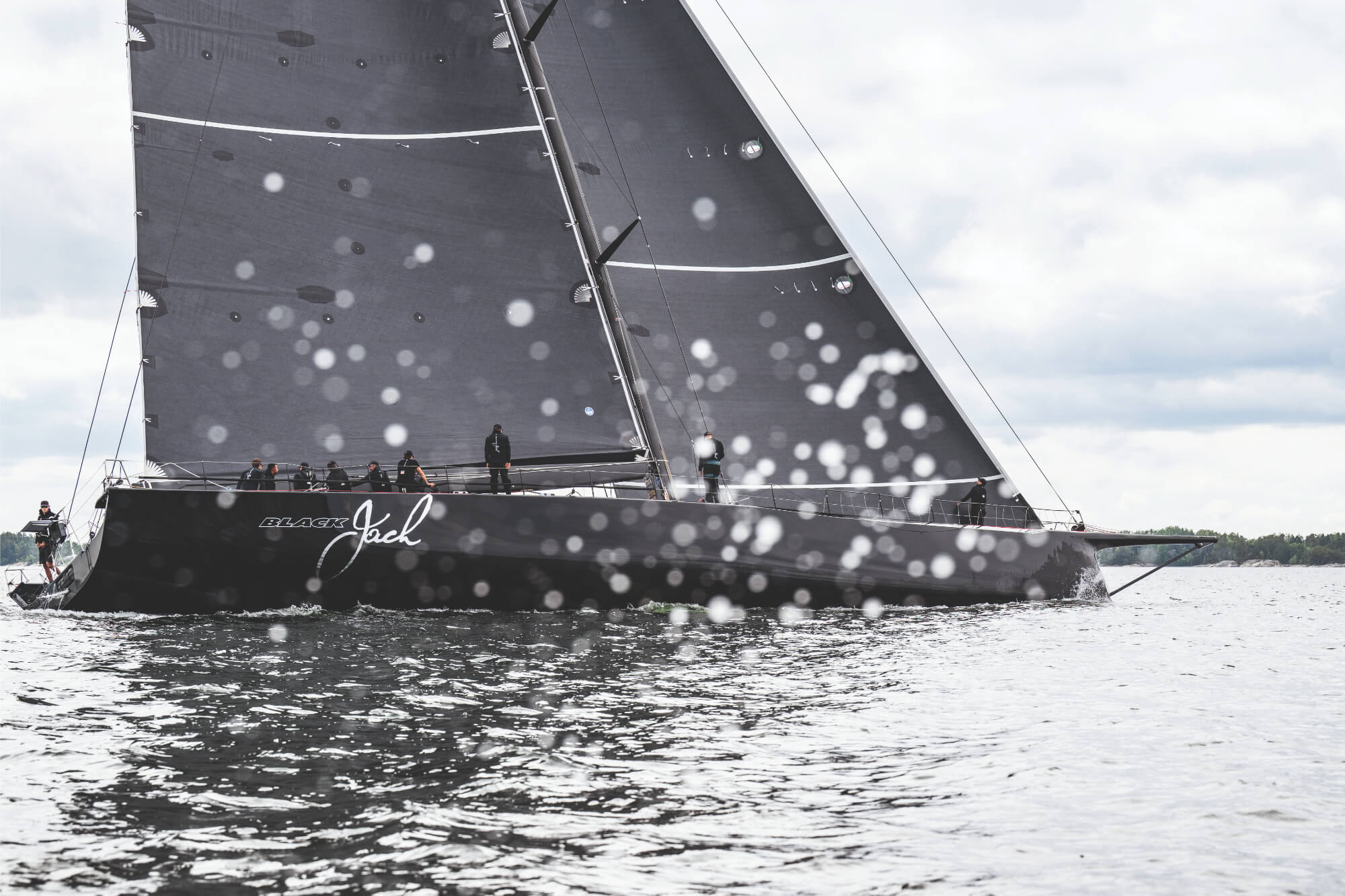
Around the same time, water ballast was added and the shape was slightly modified, with width added above the waterline to allow the crew to sit further aft. Then in 2021, they managed to squeeze around 80kg out of the rig by using lighter carbon tubes and simpler locks – a massive cut on a 1.1t rig. And she has just undergone a multimillion-euro winter refit at Persico which has raised the stakes further.
“We have specced different areas and designs for the sails, so we had to move the boom locks as well,” shares Le Brun. “That required cutting the boom so some parts could be detached and rebonded in a new location for the smaller mainsail. We have put bigger jibs at the bow, moving the forestay further forward. It has therefore moved the centre of effort forward, but she was slightly out of balance before.”
All the yacht’s interior systems were removed for servicing or replacement. “Not 1cm of hydraulic pipe remained,” Le Brun continues. They upgraded the hydraulics to use programmable logic controllers throughout, enabling automation, and introduced some new sensors and instrumentation. “All sensible upgrades,” he adds. To round things off, the yacht’s hull was totally refaired and resprayed in jet black to give it new lustre and depth.
There is another dimension to the yacht’s success, which Le Brun himself is less willing to discuss in detail. Backed by the owner, the young crew is keen to use the masses of data generated by the yacht’s new instrumentation to identify peak performance. Using this system they can test a hypothesis – a fraction more twist in the main, for example, or a different sail configuration – and quickly spot any advantage. “We collect data live and can sample it for a given amount of time,” Le Brun says. “That allows us to identify very clearly where we might be two per cent faster and boom! It means we are now exceeding targets consistently and can sail at 104-105 per cent.”
All this is helping to keep the 20-year-old yacht at the bleeding-edge of performance for a monohull without foil assistance. But much of the pedigree of this yacht comes from good bones – something that no amount of refit work and rig changes can achieve. And Jim Pugh is responsible for much of the original design work there. “What makes [her] so successful?” he jokes. “Hmmm… Well, great naval architecture!” He goes on to recognise the build team at McConaghy Boats in Sydney, composite engineering by Gurit and Brett Ellis’s more recent engineering upgrades. The build owner, Neville Crichton, was also renowned for rigour in managing his own projects.
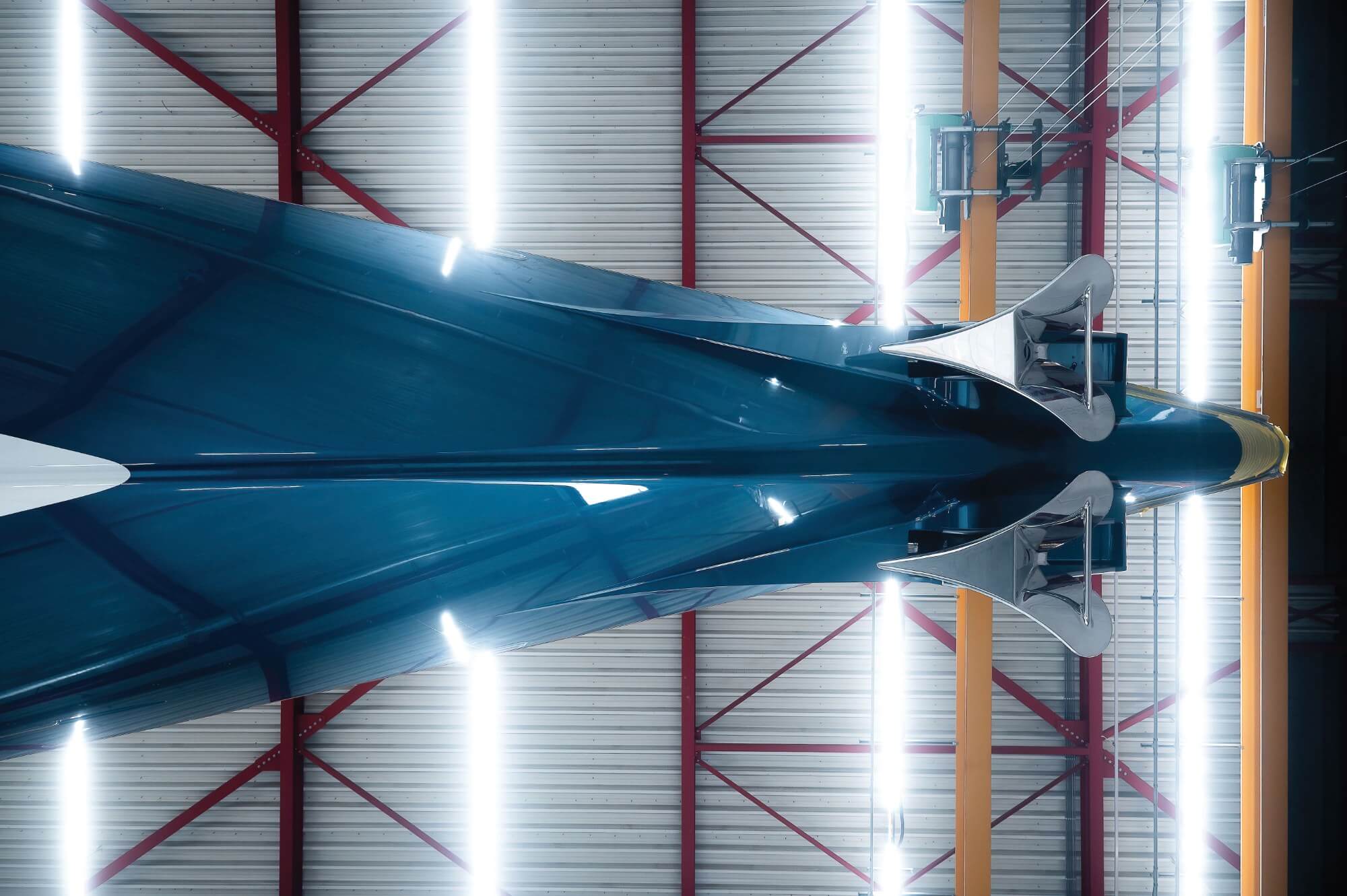
The yacht is narrow in the beam by today’s standards and light, giving her a lower wetted area and faster acceleration. She was a pioneer with the use of dense tungsten metal to provide the same righting moment in the keel bulb for a 70-per-cent smaller volume than traditional lead. The keel itself cants and she sports a ‘forward rudder’ or canard – a steerable, high-aspect ratio blade positioned forward of the keel that serves to counter leeway and assists with the balance on the helm.
“Along with Wild Oats XI, they are truly epic designs, and we are proud to see them still winning,” says Pugh. “They were the first 100-footers to feature canting keels. These designs were extremely fast in the light air, while later designs are more powerful with a wider beam and higher
righting moment.”
As a confirmed offshore race boat, there is naturally little in the way of interior comforts. From Neville Crichton to Peter Harburg and now Remon Vos, owners were never interested in luxury. Consequently, the yacht has retained her deeply functional interior. “It looks like an IMOCA inside – all raw carbon,” says Le Brun. “With everything we are very weight conscious, so I looked into removing every metre of wire possible. Electrical wires and hydraulic pipes run along the ceiling – wherever we could save weight, we have. Bunks are just a U-shaped tube with netting in between.” No semblance of a master cabin for the owner, then? Le Brun shakes his head. “He is very simple. He is on the same food and watches as us; sleeps in the same conditions. He is one of the drivers we rotate
through watches.”
It sounds, then, as if the Black Jack name is in safe hands. The race crew is developing nicely and the smart use of data is making the boat faster and faster. “We plan to participate – step by step – in all the key events in the world,” says Le Brun. “We will take the boat at some point to Asia, to Australia, trying to win every event or even break the record.”
The world has been warned!