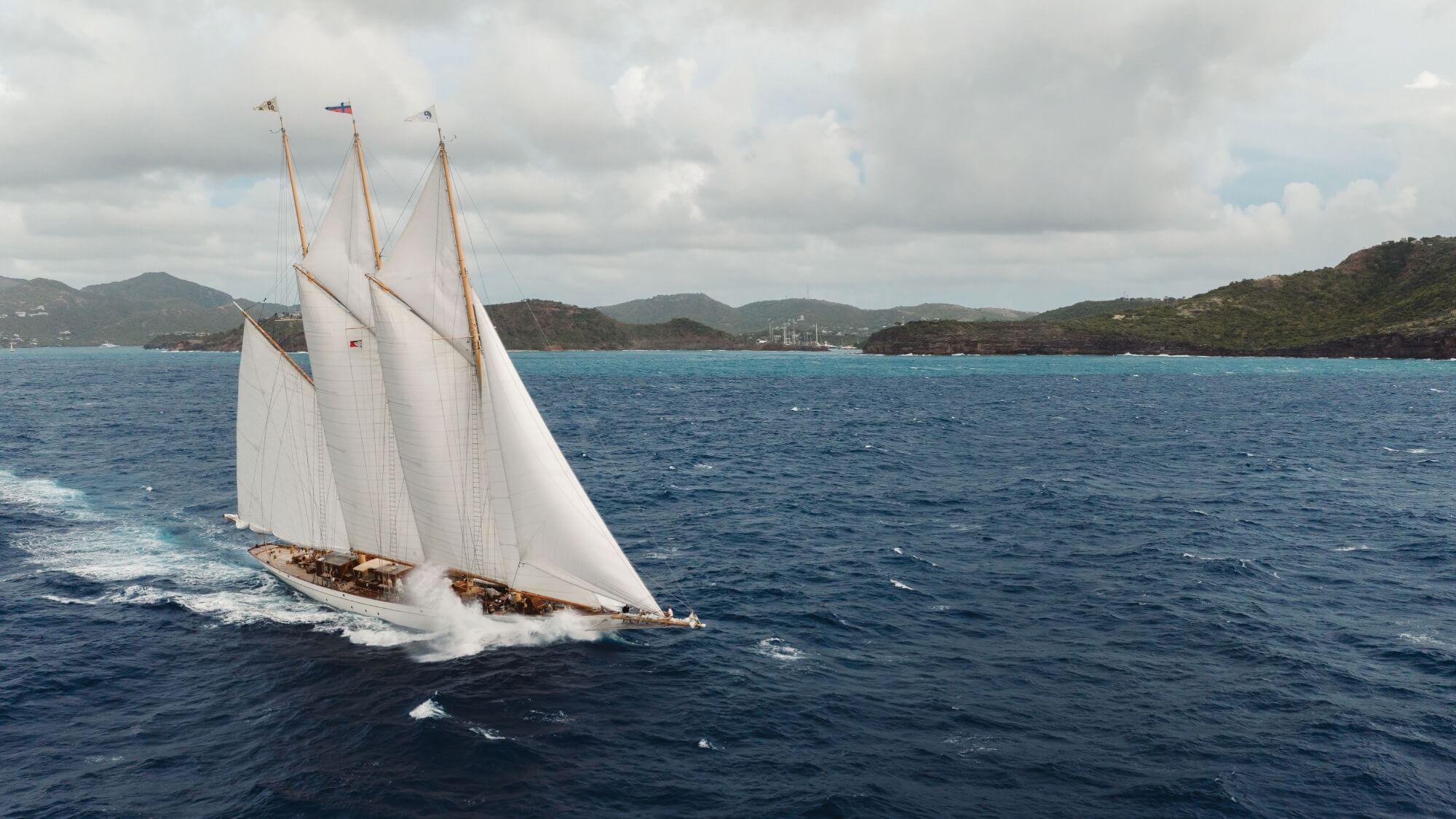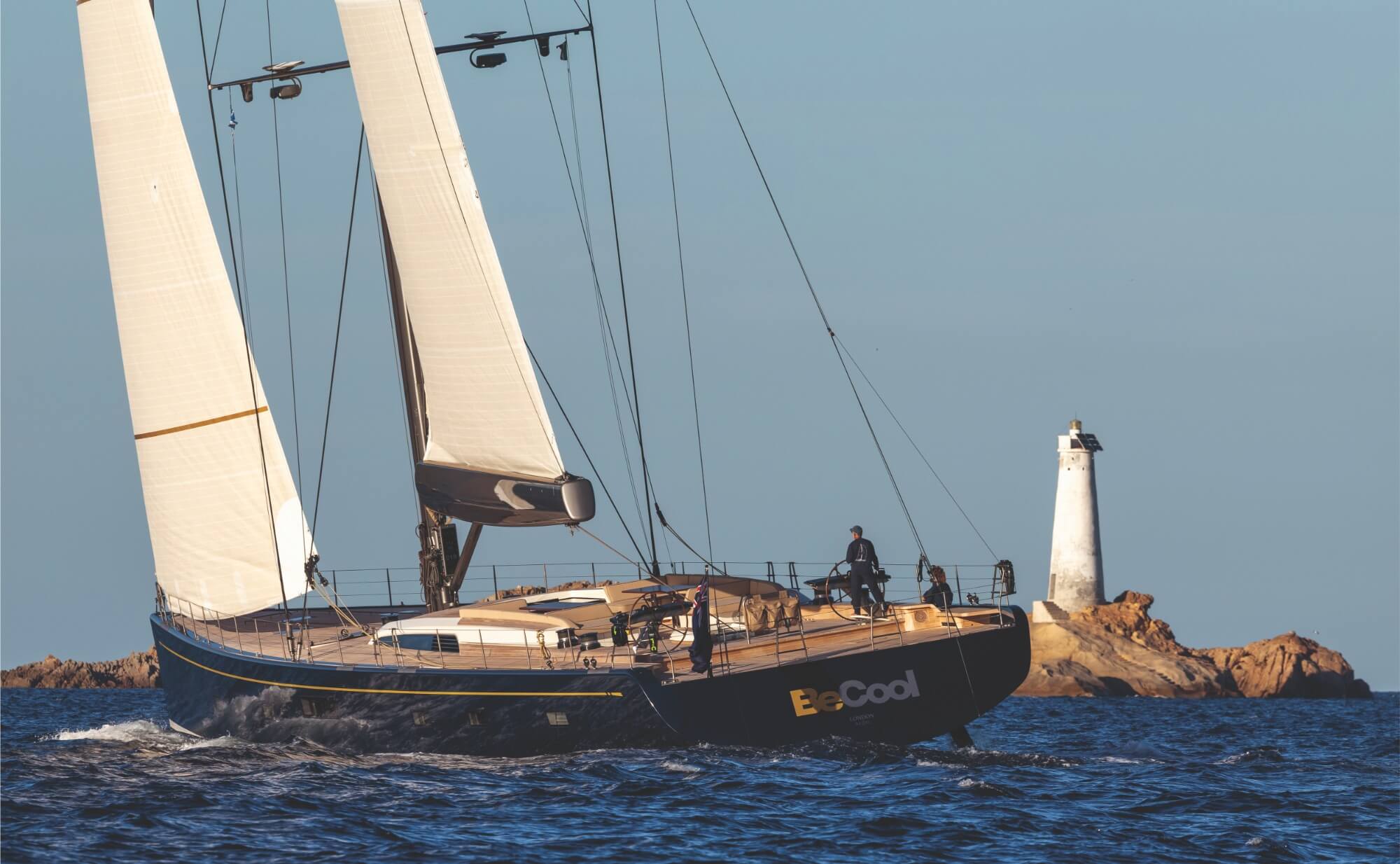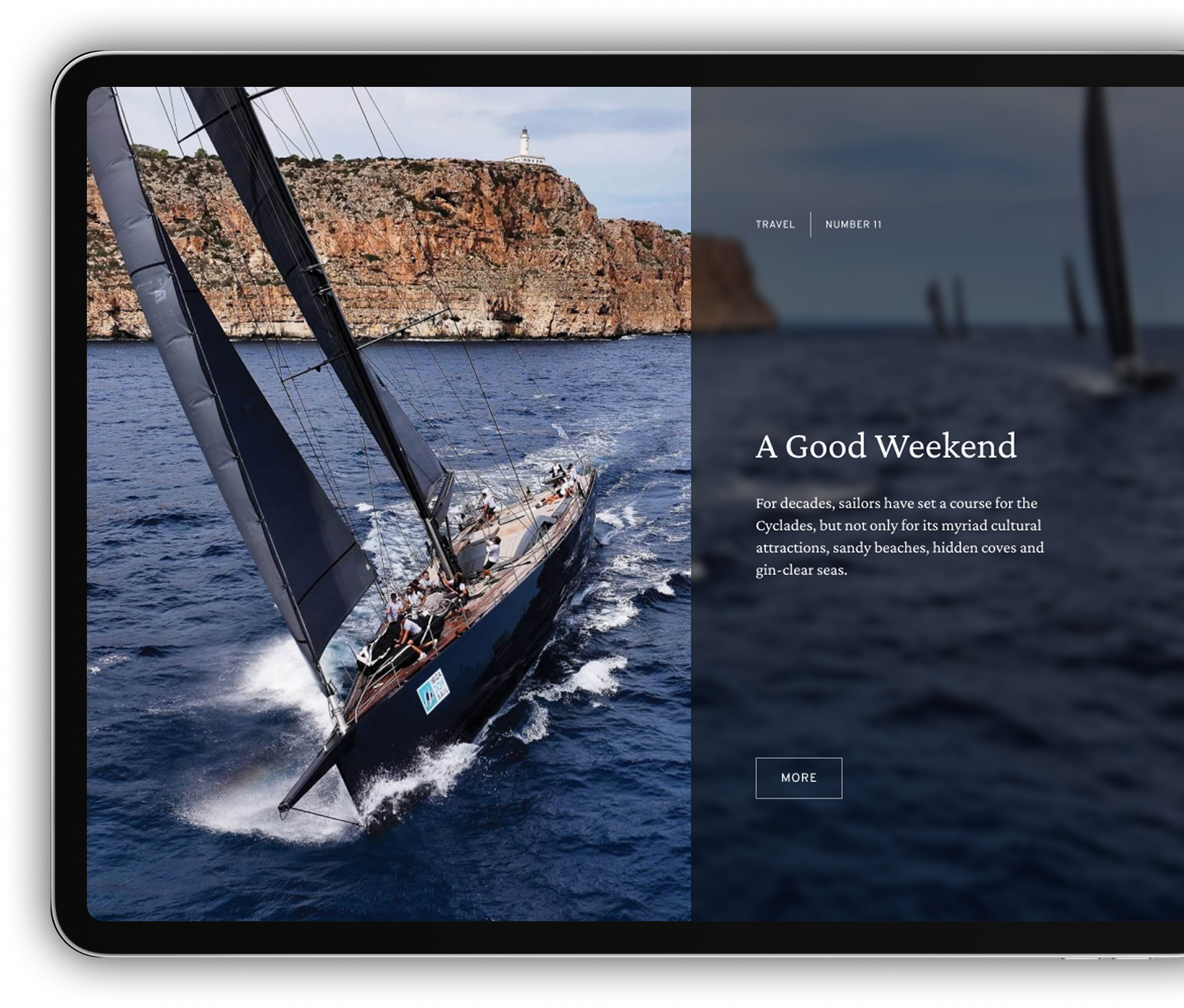

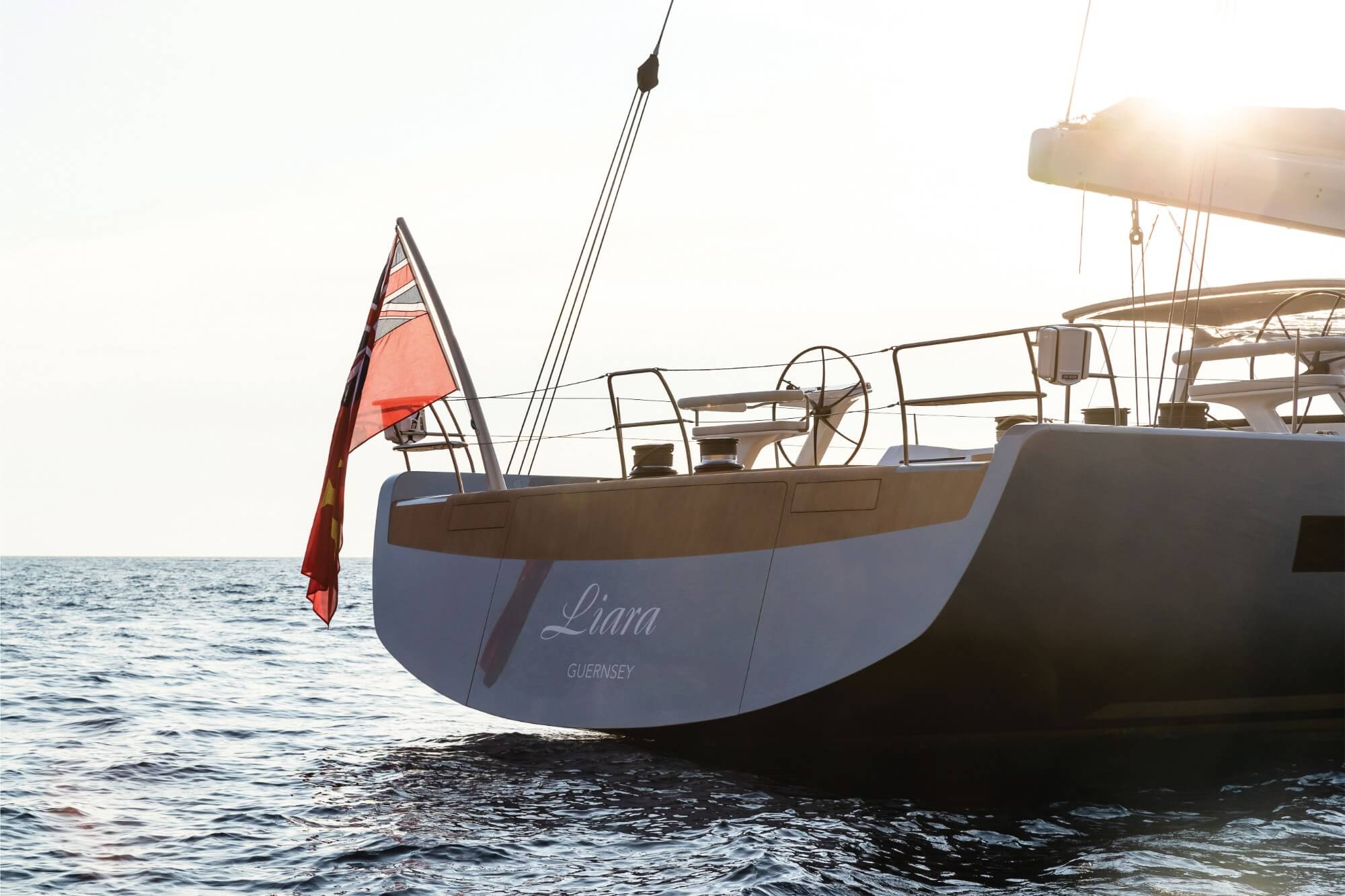
The Baltic 112 Liara broke new ground when she was launched in 2019, finding a happy equilibrium between cruising comfort and performance. Seven years on, she remains among the leaders of the pack
Custom boatbuilders don’t have things all their own way. They are setting themselves a genuine challenge by trying to channel an owner’s dream vision into a physical functioning reality. It’s not easy. And the job gets exponentially harder when you are dealing with a cruiser/racer. You want a racing boat? No problem: build one that is stripped out, super light with a big rig. You want a cruising yacht? OK: plenty of volume, acres of comfort and a sea-kind hull. You want a cruiser racer? Oh dear: you want the best of all worlds. Then again, why not? If you can push a boatbuilder and their team to the maximum, then you get the greatest rewards.
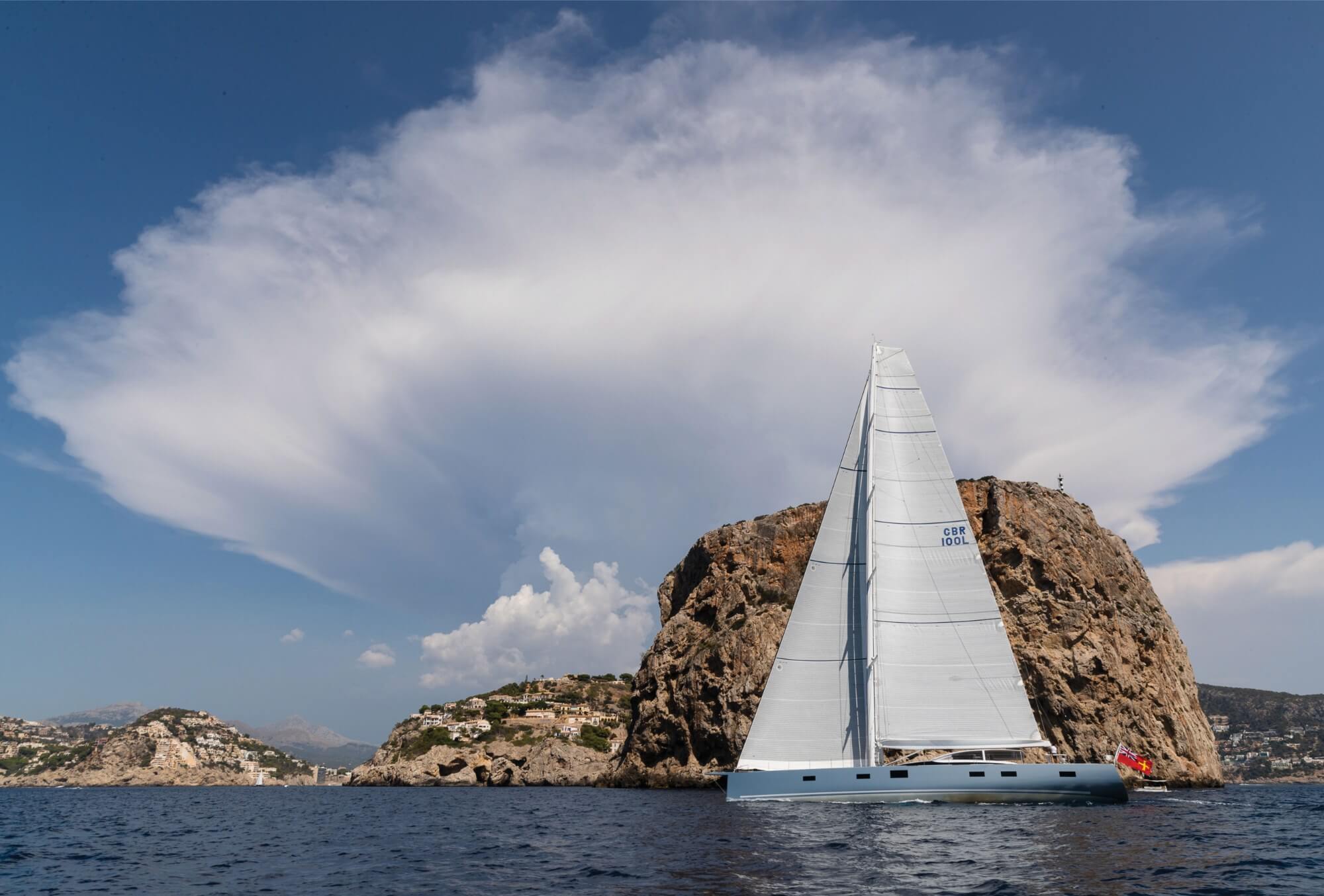
Which brings us on to Liara, created in 2019. This was a boat that posed that specific cruiser/racer challenge to the team at Baltic Yachts and naval architect Malcolm McKeon. How do you achieve this compromise? They started from the keel up and the results have been pleasing. Henry Hawkins, EVP of Baltic Yachts, knows all about the cruiser/racer dilemma. “There are, in general, three things our clients ask for in a new Baltic,” he reflects. “It’s got to be quicker, it’s got to be lighter and it’s got to be quieter. So you see what is possible within the package and then the discussion with the client begins, as to what to put in as well as what to leave out.”
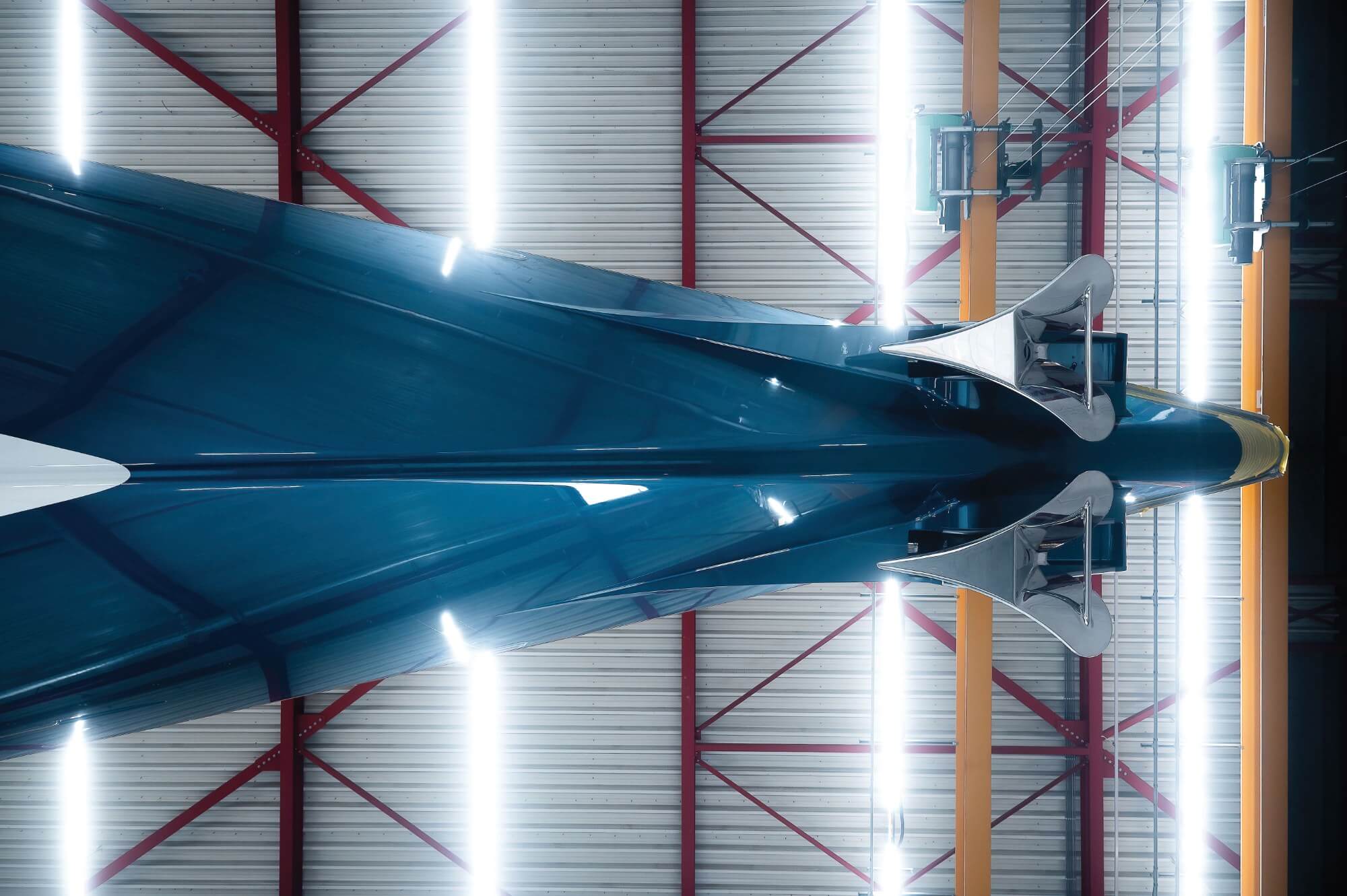
This dichotomy between speed and comfort means that Baltic had to think outside the box – and with Liara, they also thought outside the hull. Because one of the biggest creators of drag on a yacht is, of course, the propeller. Get rid of that and you have an immediate and substantial boost to performance. The decision was therefore taken to go with a completely retractable propulsion system which could be raised into the hull when Liara was under sail – a feature that posed a genuine challenge to Baltic. “She was our fourth boat with retractable propulsion and the second with the Hundested drive leg developed together with Baltic,” Hawkins explains. “It’s a big decision from a client to go with a retractable unit. It takes up a lot of space inside the boat and it brings complexity and cost, but the gain is obviously on the performance side.”
The system took eight months to develop and the main engine had to be offset in order to accommodate it when retracted. The results, however, were impressive and, as an added bonus, the retractable propeller unit can also be turned through 180 degrees as it’s lowered, which means you don’t need a stern thruster when mooring. Yet the innovative approach certainly doesn’t end there: not only can the propeller retract but the keel is a telescopic design that retracts into itself, allowing for deep draft performance – and blue water versatility when raised. This set up also saves on space inside, as there is no need for a bulky keel box in the interior.
Yet the hull appendages were just the tip of the iceberg. In a performance cruiser, the real enemy is weight. Tommy Johannsen, project manager at Baltic, managed the build. He knows all about the battle with heaviness. “When Malcom McKeon, the naval architect, delivers the plans to us – that’s the moment when all the hard yards have to be put in,” he shares. “We have to look at how the naval architect wants the boat to float, how much volume he is putting in it and how much he is expecting it to weigh. Get that final calculation right and everyone’s happy.” If you go over it, the boat doesn’t sit in the water as she should and therefore won’t perform. “So we spend anything between three and five months in the pre-engineering phase, doing the in-depth calculations,” Johannsen continues. “This means we’re getting almost all of the systems designed so that we know what we’re putting in there, so we can come up with a final weight.”
The big trump card Baltic has is its expertise in building in carbon fibre. The pre-preg carbon fibre construction of the hull is the obvious weight saver, but it goes much further than this – the Nomex coring of the hull means that there is no need for interior stiffening or structural bulkheads so the fit out can be kept very light. The furniture is frequently Nomex cored on deck, while a feature like a solid bimini, generally a substantial additional mass, has been kept down to 600kg.
“I think Liara’s lightship weight when we launched her was 86 tonnes and that was below the target,” Johannsen says. “We had done everything we had to do and we were pretty happy with that. I would say she’s the lightest performance cruiser we have built so far, in terms of the combination of a blue water cruiser and a racer.”
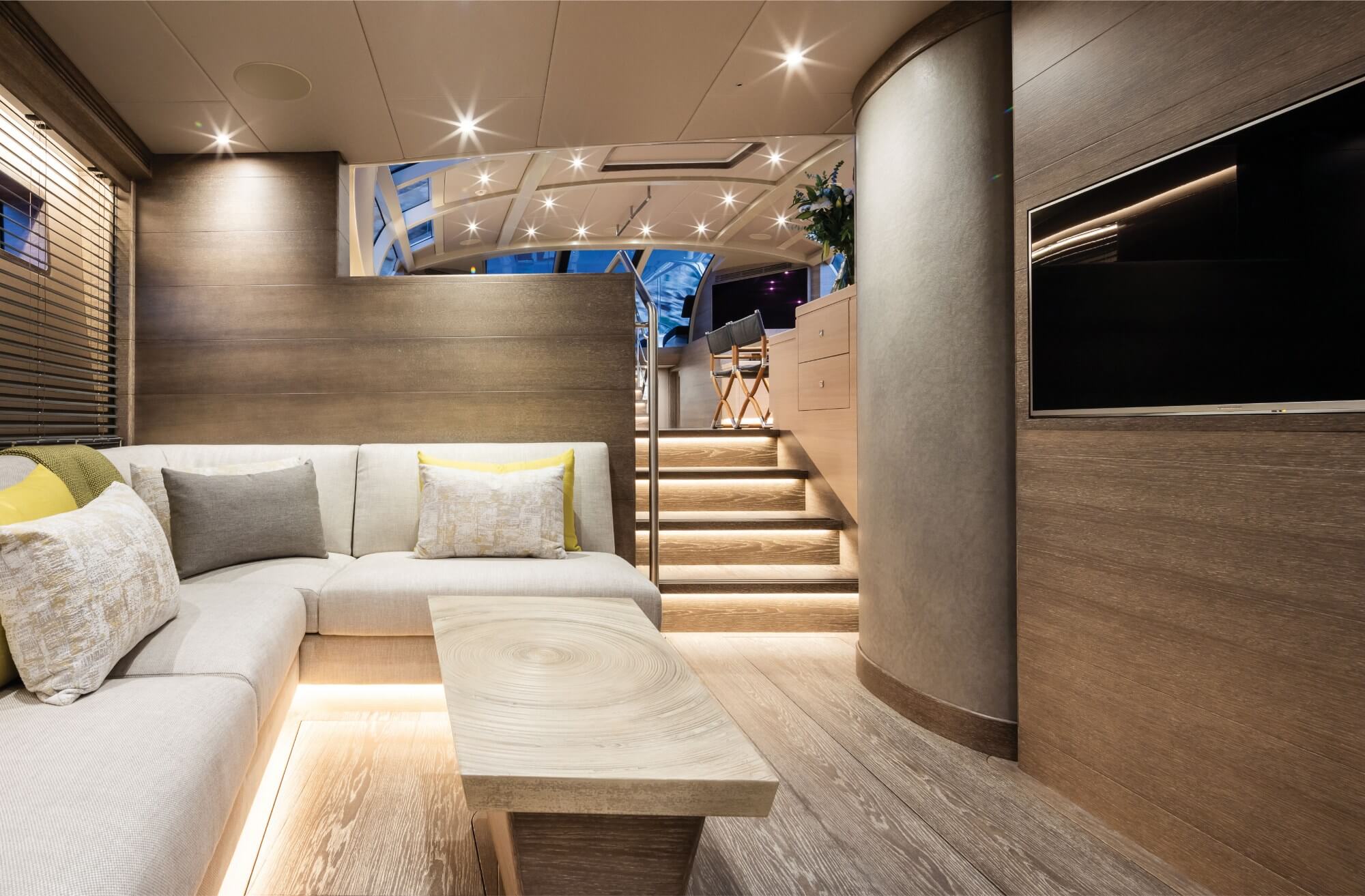
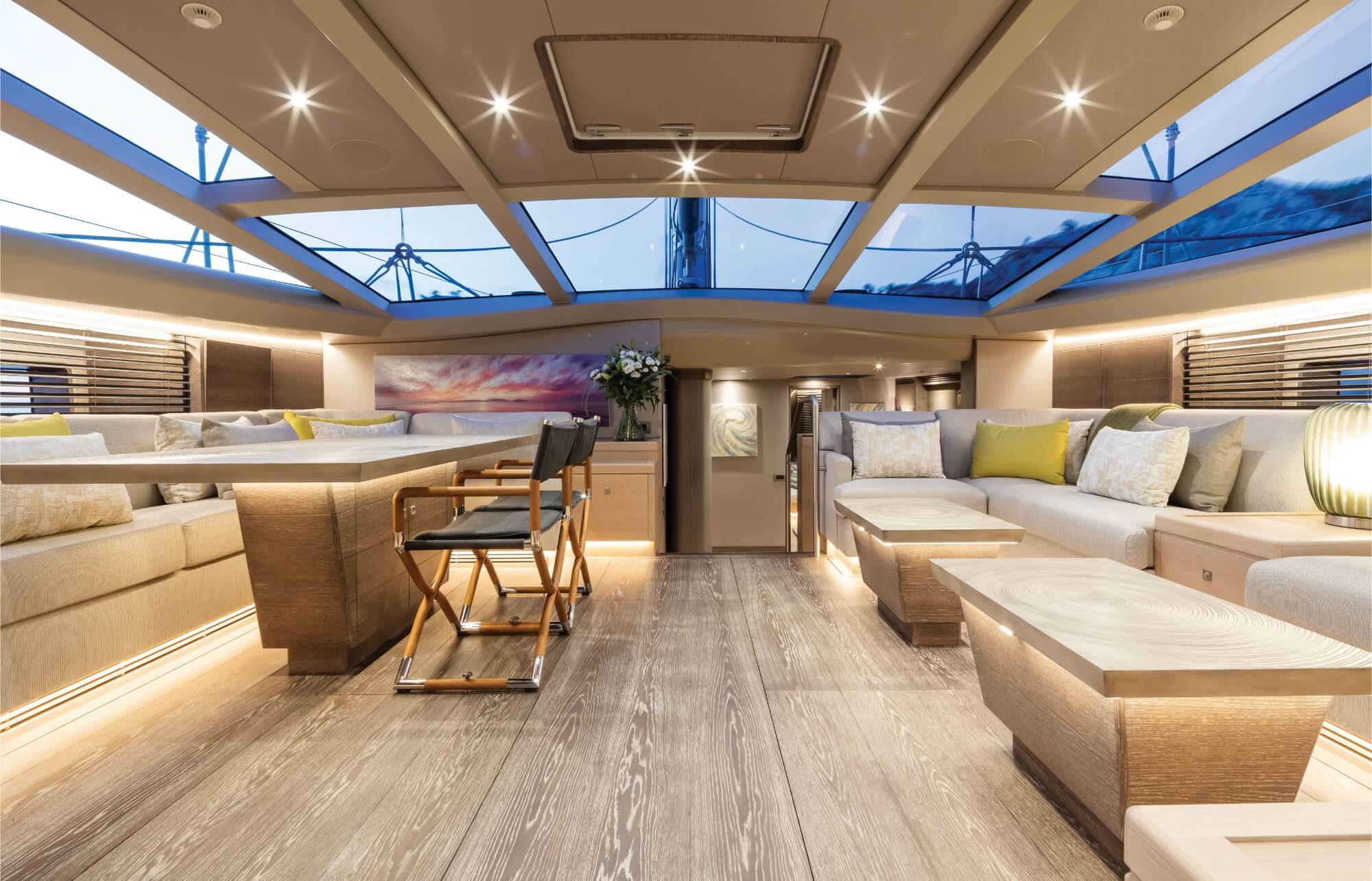
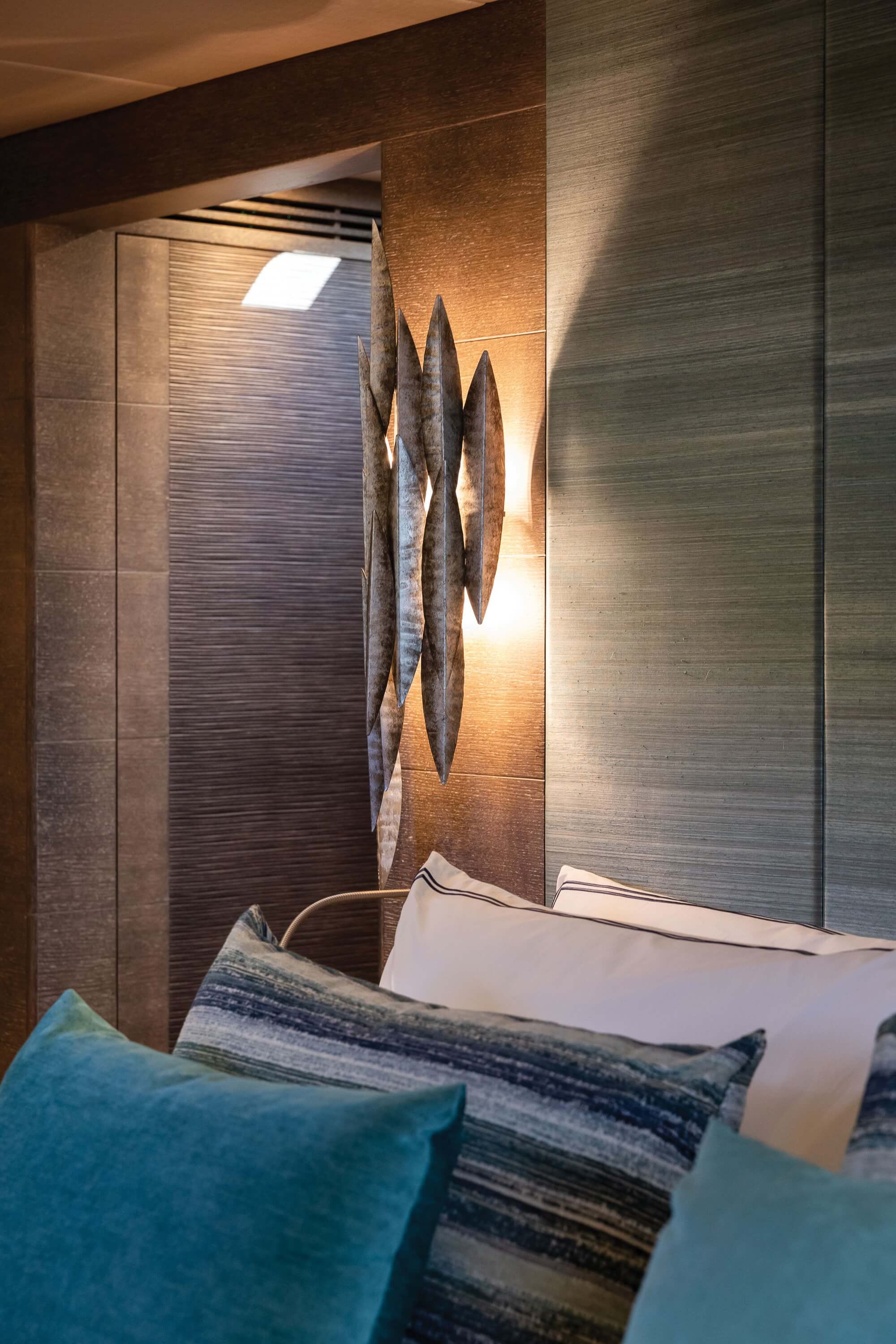
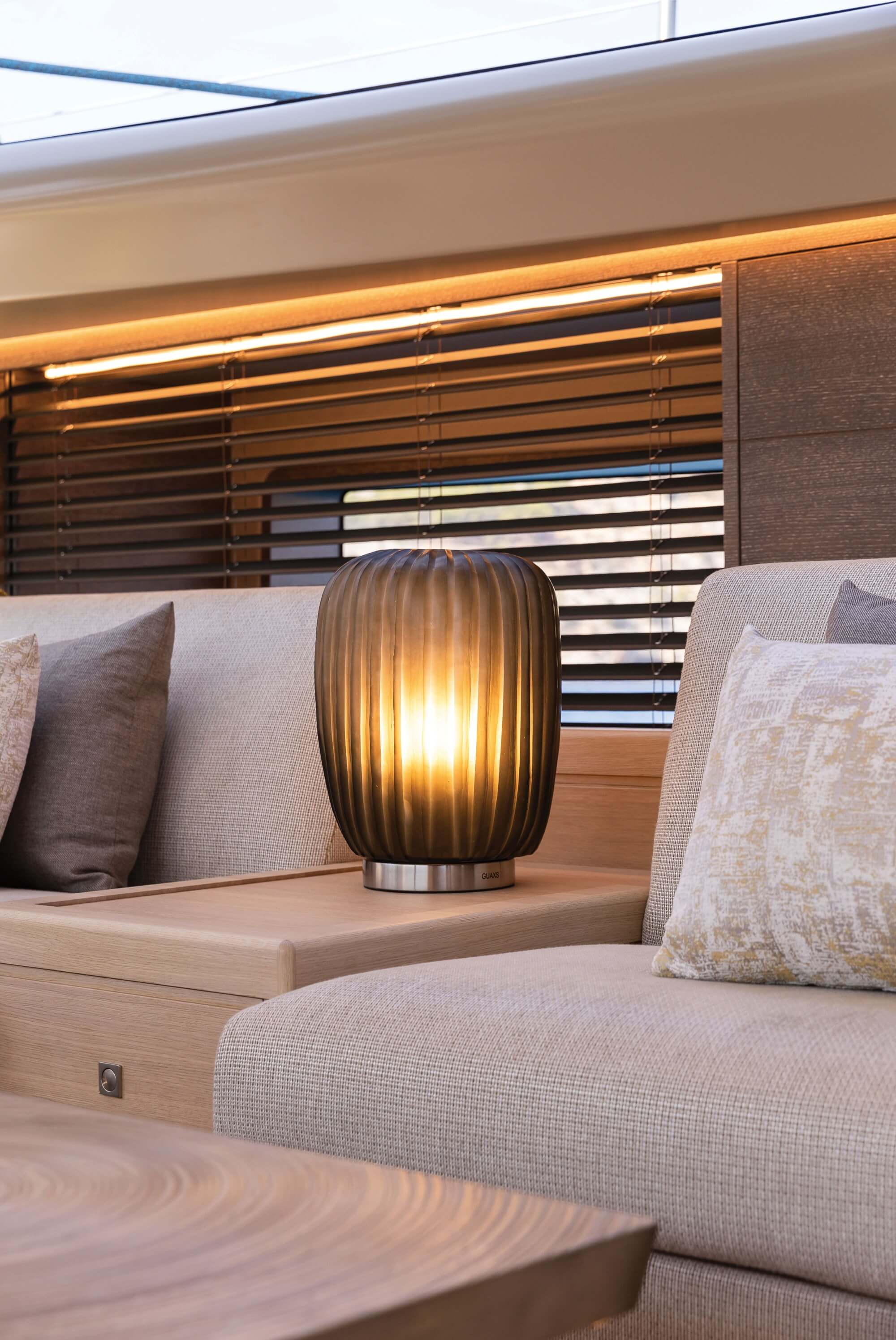
The result is a beautiful yacht. The interior design is by Adam Lay who kept things fittingly airy and elegant. And the deck saloon allows the main living area to be flooded with light. The fit and finish is beautiful but not showy, with the emphasis on quality and simplicity. It’s also an interior designed for sailors and much attention was paid to ensuring a good level of comfort, even when the boat was heeled over.
Yet the real big test is how she behaves under sail. Did Baltic find the right balance between performance and comfort? Johannsen was part of the sea trial team back in 2019. “The first thing I noticed was that she was very fast in light winds. It was immediately clear that we didn’t have any drag from the propeller and that meant that she picked up speed really, really quickly,” he recalls. “It makes a noticeable difference – you can feel the boat accelerate much more rapidly than you’d expect. So it’s not just about the top speed but also how quickly she gets there. It’s a great feeling.”
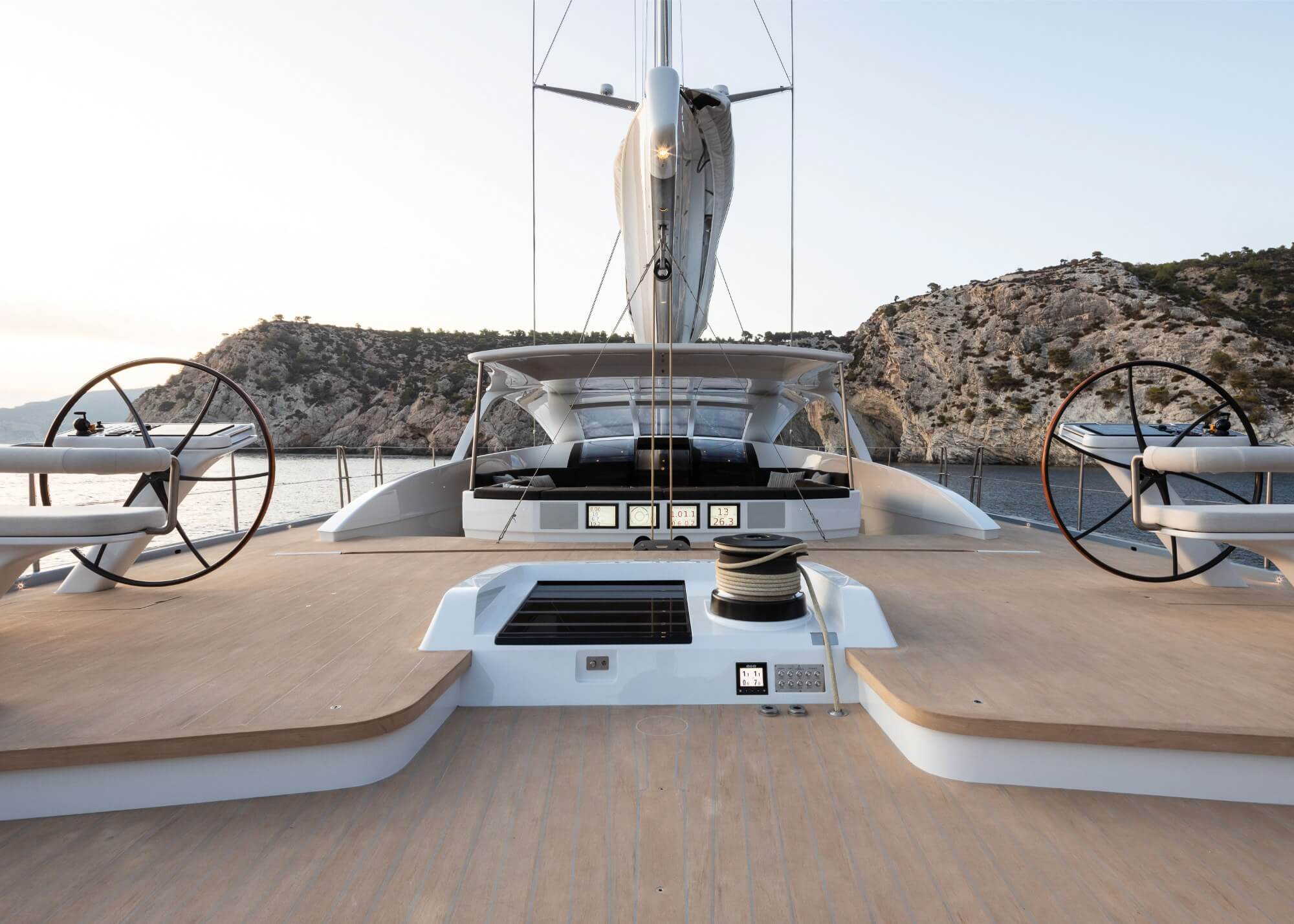
So how has the boat fared on the race course? Unfortunately, she remains largely untested. “She has not really been raced in earnest, sadly: she was launched in 2019 and then Covid kicked in,” Hawkins explains. “I think Liara was in the middle of her first regatta in Antigua with a view to going on to the St Barths Bucket and then a full season back in the Med, but with all the restrictions that was the end of that. By the time it had cleared, the owner’s plans had changed so, sadly, she has never hit the racecourse at full chat – though there’s still time!”