

“One of life’s quiet excitements is to stand somewhat apart from yourself and watch yourself softly becoming the author of something beautiful.”
This line was written by the author Norman Maclean in his book A River Runs Through It. He was actually talking about fly fishing and how even small acts, well executed, can be wonderful. This is, of course, true. Yet it can also apply to bigger acts – creating a yacht, for example. Speak with Thys Nikkels, CEO of Dykstra Naval Architects, and it soon becomes clear that the team he has in place have been co-authoring some of the most exciting and beautiful boats that grace our waters today.
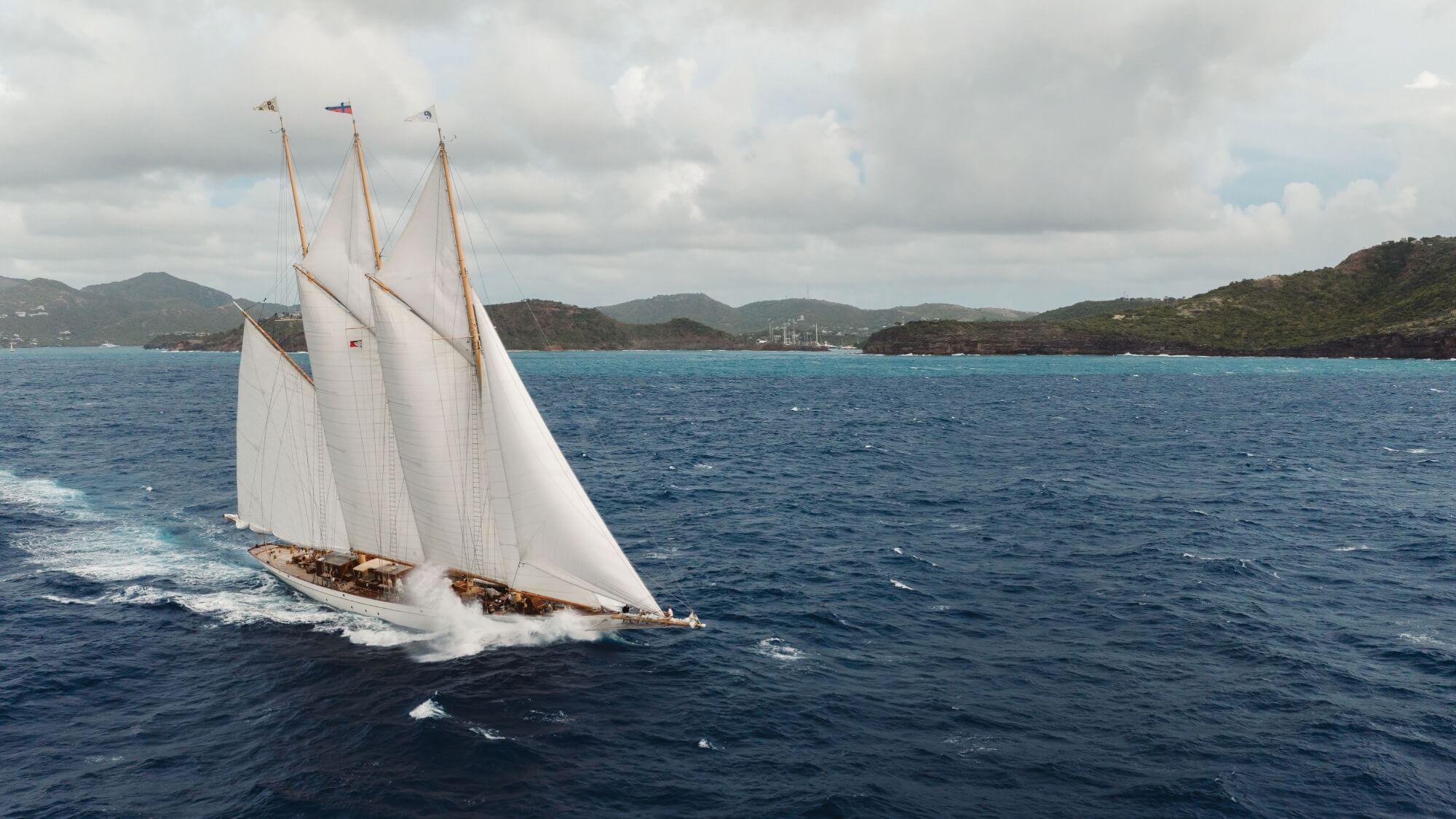
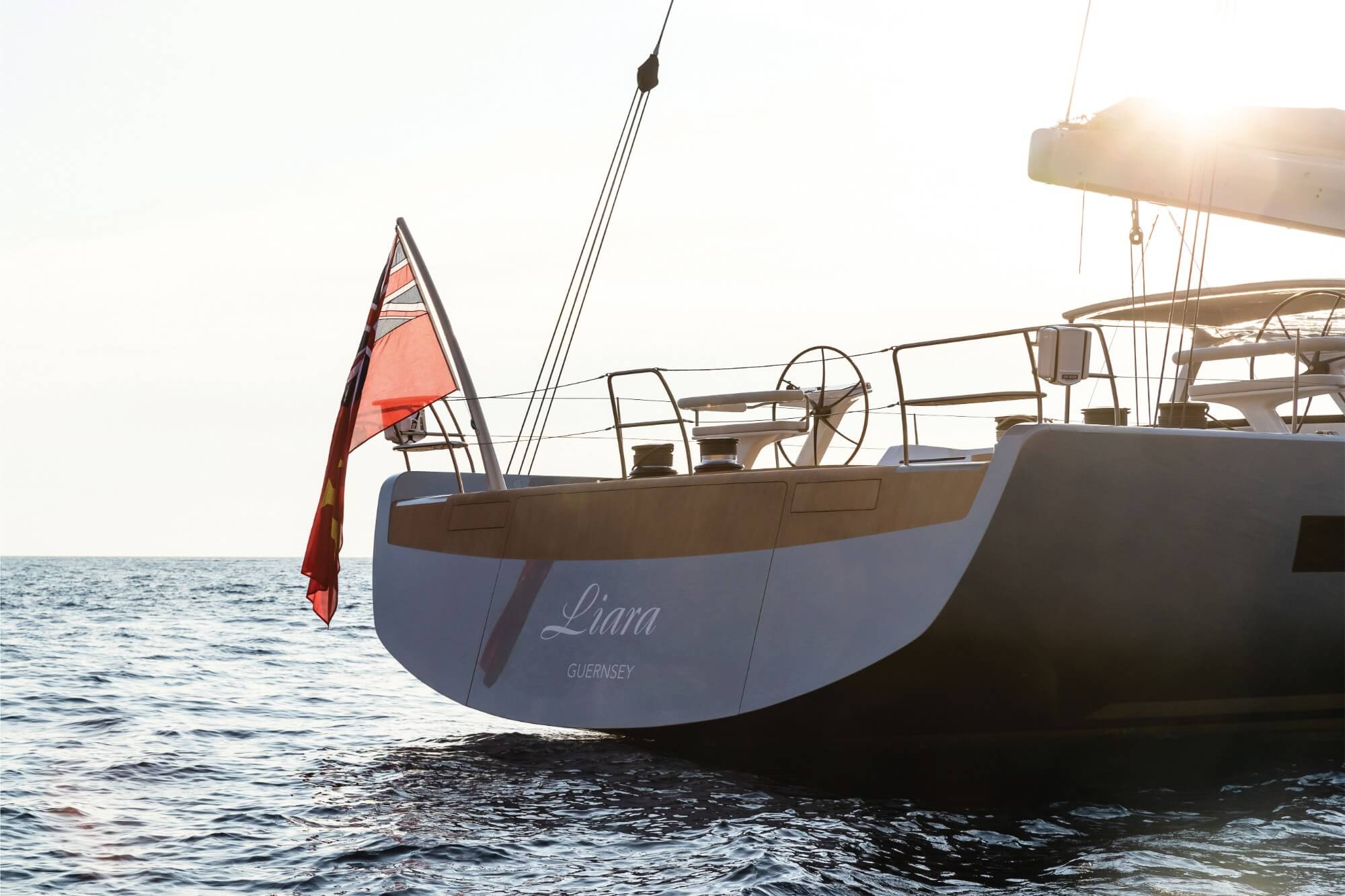
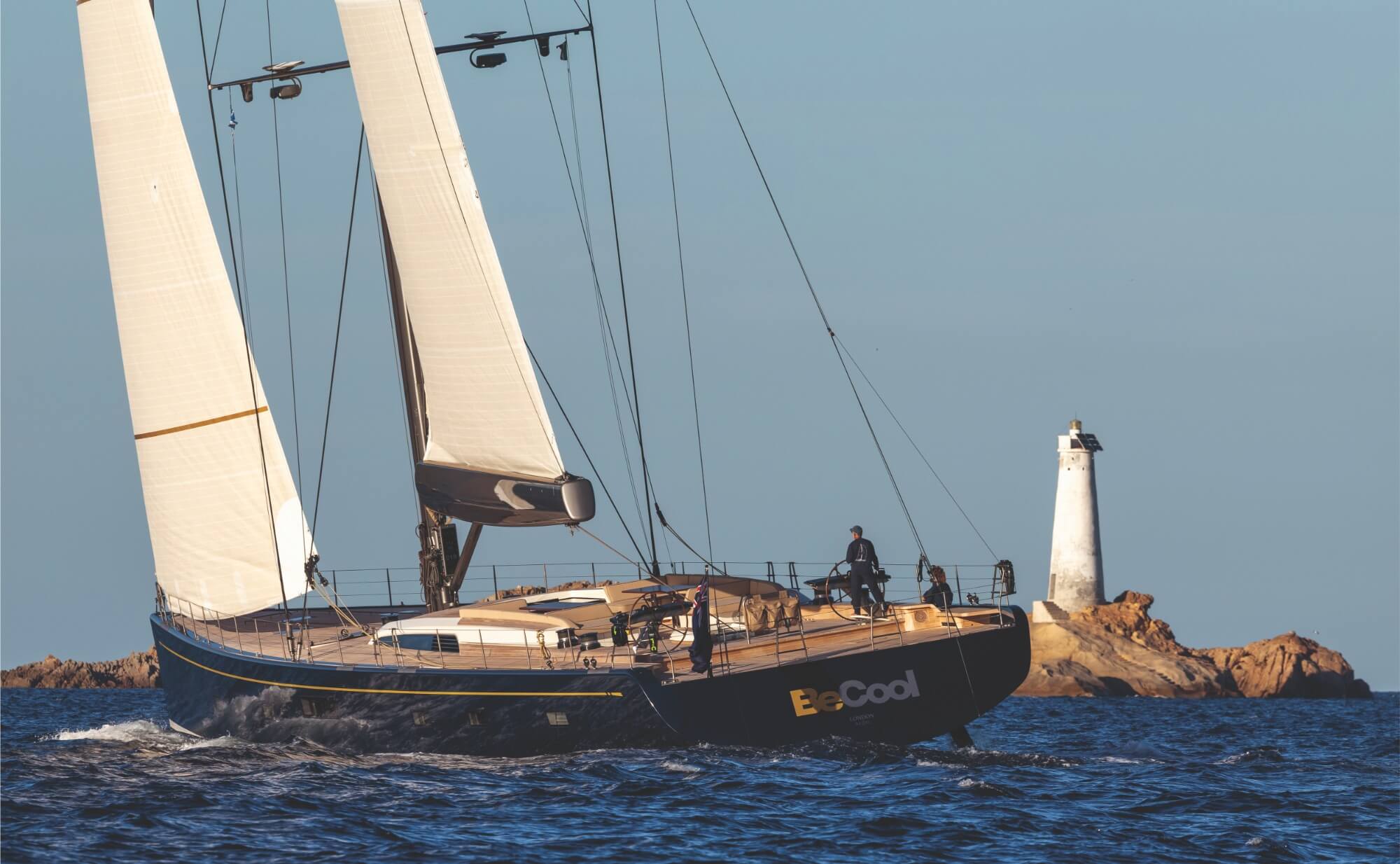
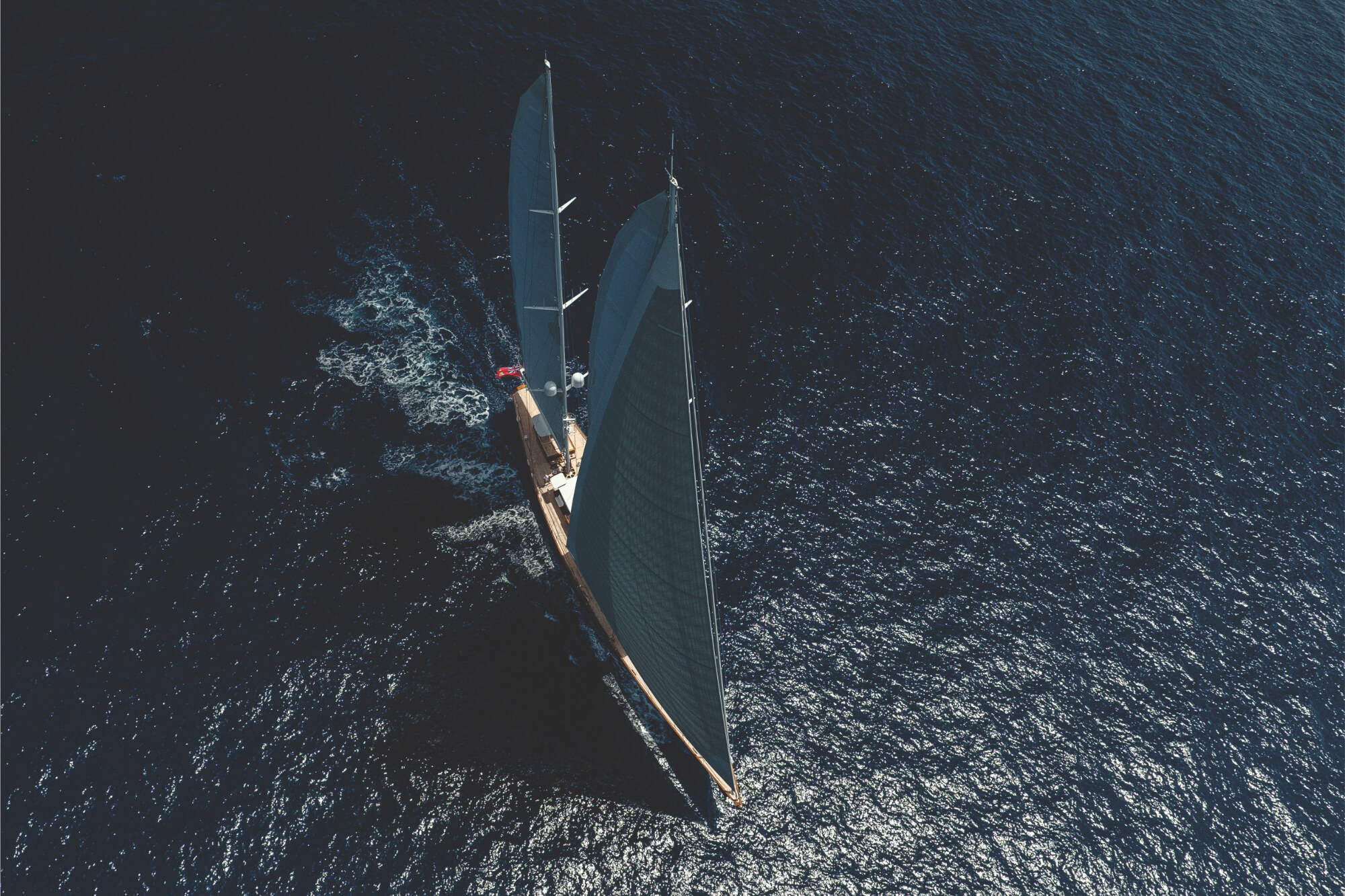
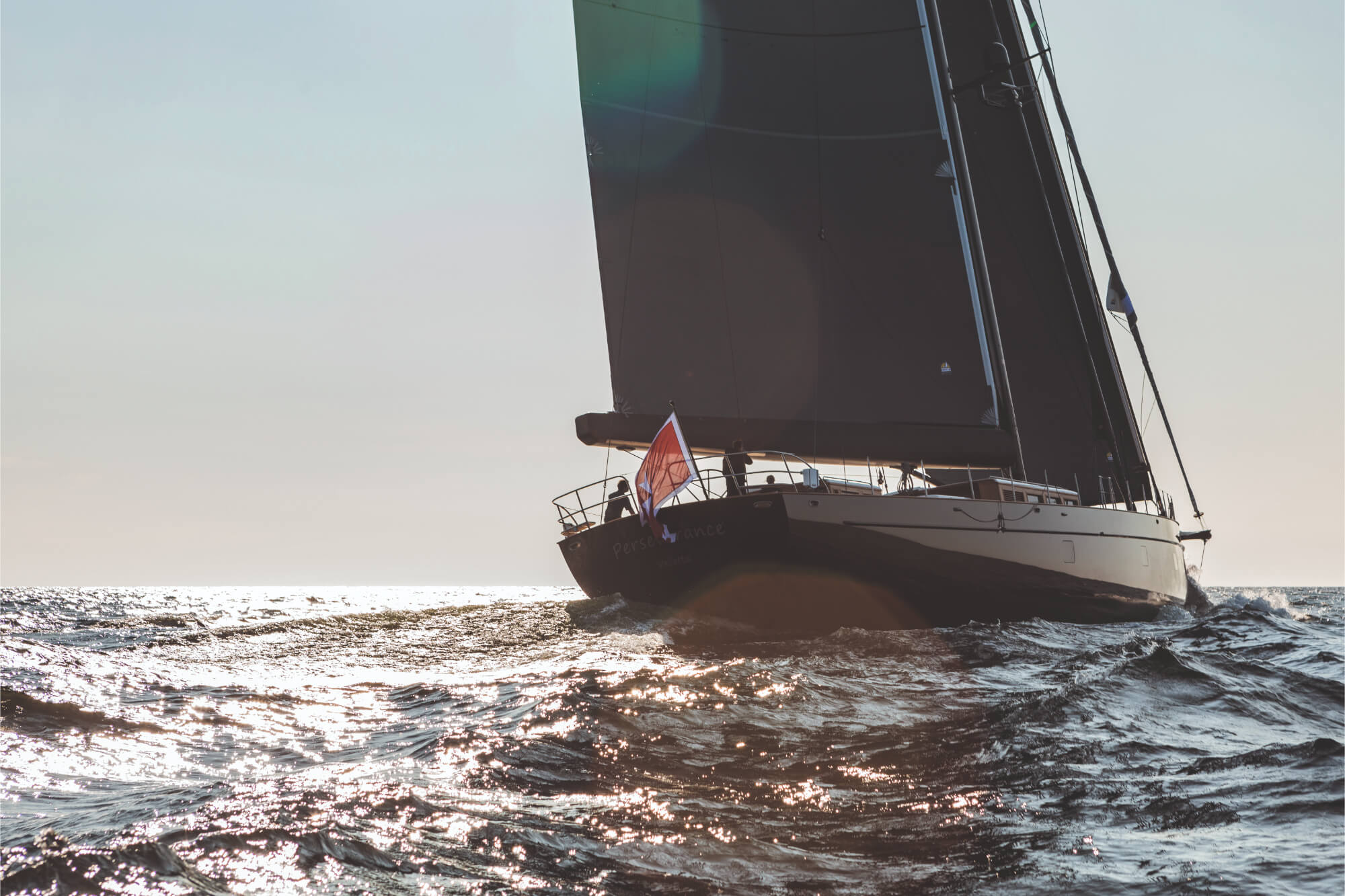
Dykstra Naval Architects is one of the leading lights in yacht design: vessels such as the iconic Maltese Falcon came from its design house. The company has also become something of a custodian of the most renowned yachts of the modern era, with the J Class Yachts Shamrock, Endeavour and Velsheda all being refitted or rebuilt under Dykstra’s supervision. Meanwhile the lines of new builds J’s Ranger, Rainbow and Hanuman came from its drawing board, with Superyacht examples like Perseverance and Aquarius and the soon to be launched Aquarius (2); modern classics that draw on a well of rich history and lie seamlessly alongside their older sisters. Classic, modern classic or just plain modern, the portfolio is vast and impressive.
The company was founded in 1969 by Gerry Dykstra, a keen sailor and racer who had served on Conny van Rietschoten’s Whitbread Round the World Race winner, Flyer: his great enthusiasm and love of the sea is in the DNA of the company. “It’s based on the heritage of Gerry,” Nikkels explains. “He was always focused on going sailing and has always ensured that all the staff are keen sailors – that can be anything from dinghy sailing to racing and cruising. We all go out on yachts that we have designed and enjoy them. That is what Gerry has always pushed.”
It was not until the 1990s that the company really took off. Nikkels joined in 1991 and was Gerry Dykstra’s first full-time employee. His arrival coincided with an exponential growth of the business. Initially the expansion was focused around refits and rebuilds in the big boat sector, often where optimising performance was the driver. Adix was one of the first projects Nikkels worked on and which showcased what the company was capable of; her long keel was replaced by a fin and her overhangs were modified – all with the aim of improving performance, handling and manoeuvrability under-sail. The result was a captivating, high-achieving schooner.
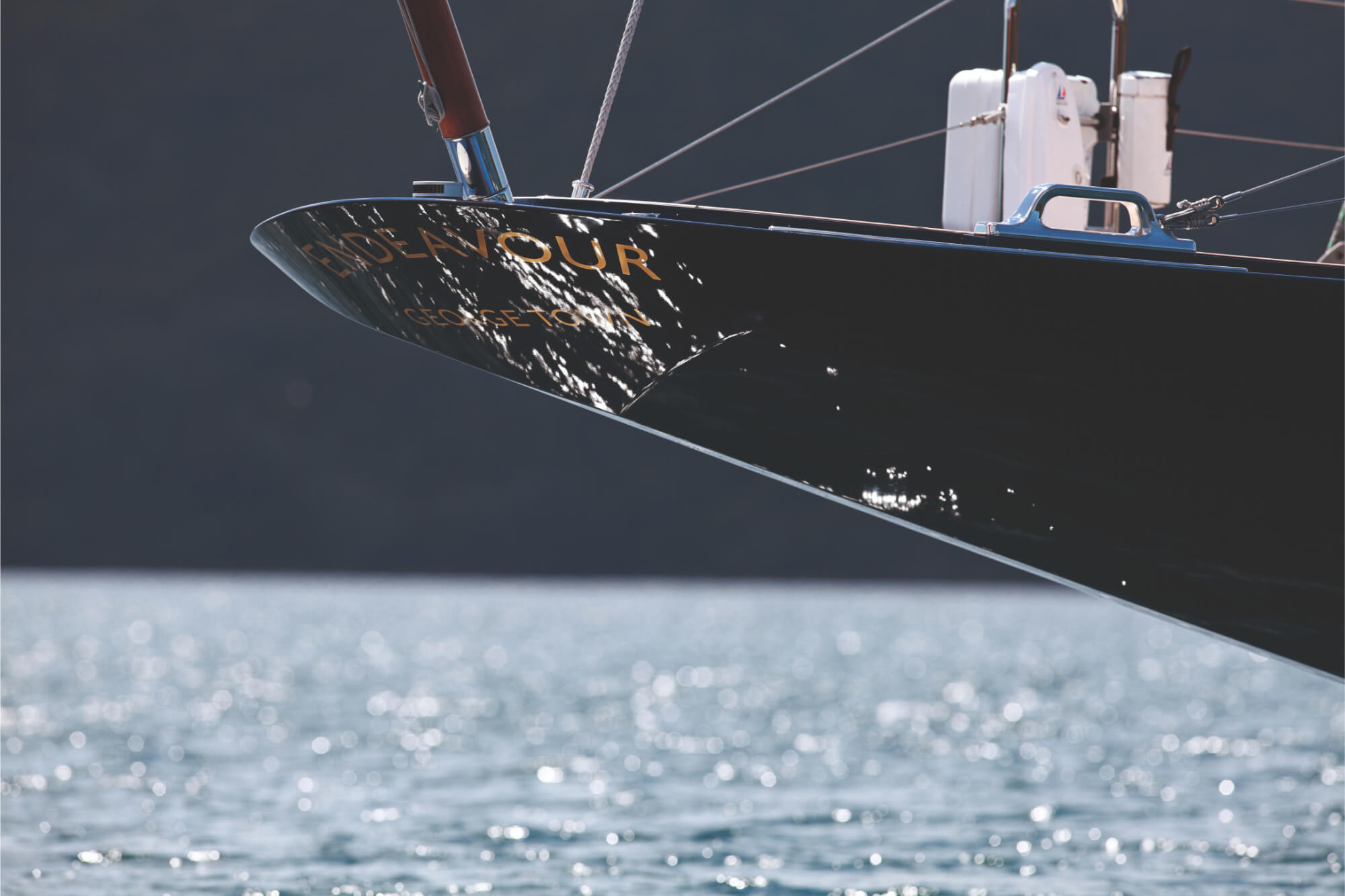
Work flowed from there. Perhaps most notable were the refits and rebuilds of the three original J Class yachts, Endeavour, Shamrock and Velsheda. Its sensitive handling of these high-profile projects put Dykstra firmly on the map. After that, orders for new builds started to come in and the company started to work on the Bestevaer series of yachts with the Dutch boatbuilder K&M. In the late 1990s, the company moved into another field, designing big square riggers such as the Stad Amsterdam, an elegant redesign of a clipper ship.
Nikkels became CEO in 2003 and they remained true to a credo that values aesthetics and innovation. “Beauty – this is part of our ethos,” he explains. “Part of the pleasure for the client is based on the look. When we started out we often worked on more classic lines, but as we have grown we have worked on yachts with a modern look and we love to do them both. What we try to do is not to copy the looks of boats that have gone before.”
Another key factor that the team focuses on is simplifying the sailing systems on big boats. Nikkels argues that the more complicated the rig, the less likely it is that the boat will actually be sailed. Perhaps the ultimate expression of this has been through their development of the DynaRig as seen most notably on Maltese Falcon and the Black Pearl: this features three unstayed carbon-fibre masts that rotate to suit the wind direction and was an innovative approach that was undeniably effective and eye-catching.
Despite working on such pioneering projects, Nikkels remains humble about the whole process of boat design. “The thing is to accept that you are not going to invent something new,” he reflects. “What you can do is take an idea that already exists and refine it and improve it – I learnt that from Gerry.” Indeed, the DynaRig was adapted from plans drawn up in Germany in the 1960s to provide alternative propulsion for commercial vessels. The project was shelved but Dykstra’s genius was spotting the potential to adapt the rig for a new, very different, brief.
Naval architecture has also changed a lot since Gerry Dykstra first started out in 1969; new methods of construction allow much broader scope for experimentation, while design software and computer modelling methods mean that tank testing is heavily reduced and the level of detail in plans is often much greater. Nikkels recalls starting out in 1991 working at a drawing board with a pen – those days are long gone.
New projects are on the horizon that address the need for green power. The team are working on a new boat for Greenpeace that will boast the DynaRig. Another exciting project is an all-electric 70m ketch which will have to sail to recharge its batteries. Nikkels stresses that one of the great joys of working for the company is that they are constantly being driven by the client to innovate.
Dykstra Naval Architects has certainly found its niche and seems completely at ease within it: there are no plans to expand the team. Gerry Dykstra, although no longer an active member of the business, continues to drop in a couple of times a week and remains an invaluable source of knowledge for the company. For Nikkels, running Dykstra Naval Architects together with Partner Mark Leslie-Miller is something special and this shines through during our conversation. “I’m really proud of the team – and excited about Mark joining as a Director. We like to enjoy ourselves in what we do and we listen to the client – that’s very important,” he says. “As for me, if you could have told me as a child, reading about boats obsessively, that one day I would be part of this – well, I would have probably laughed at you. It’s a dream come true.”