
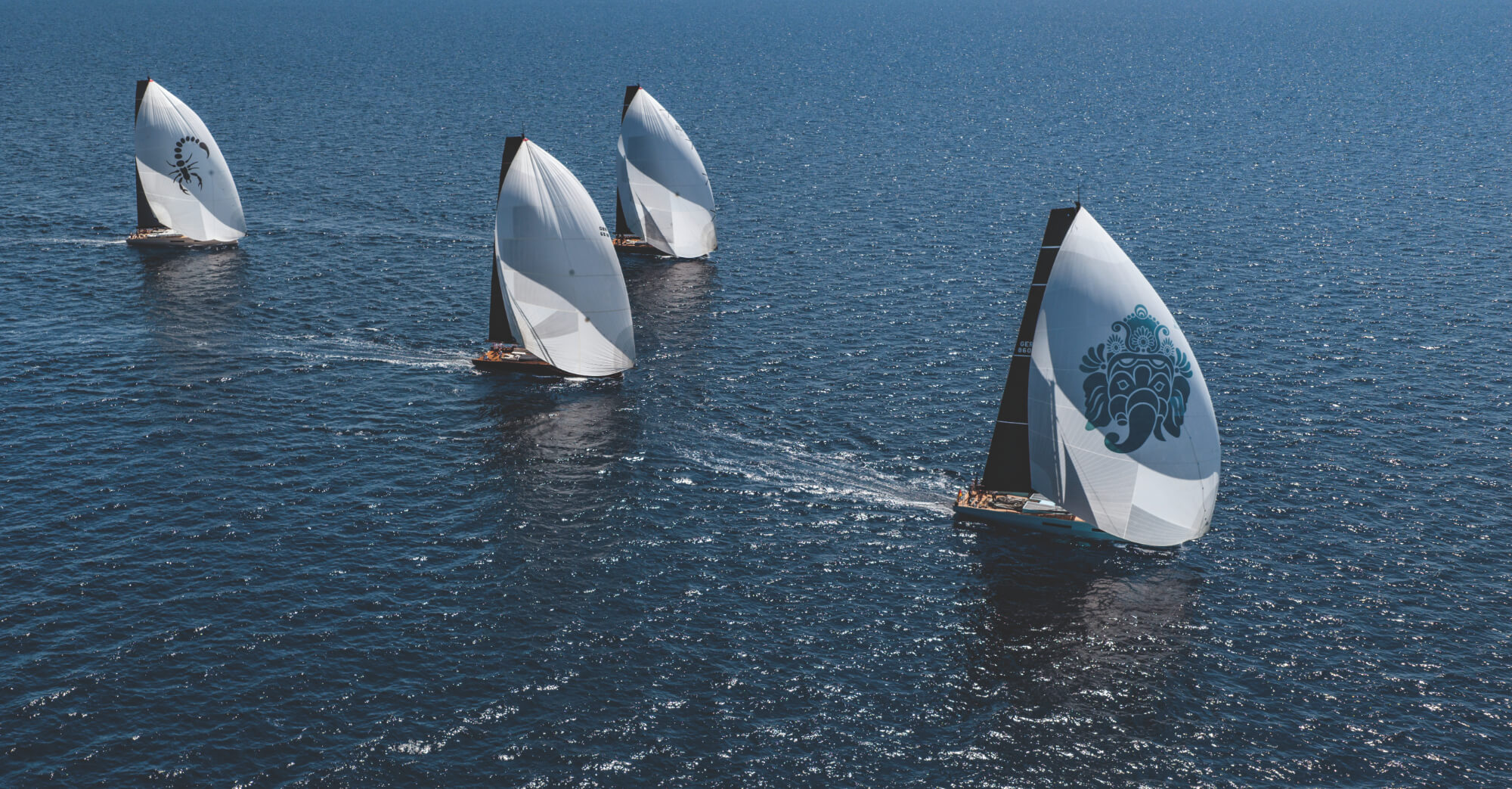
Once a term for a 60s motorbike, now the name of a fast, stylish daysailer – this is what played out when four Baltic 68 Café Racers bore down together at the Superyacht Cup Palma.
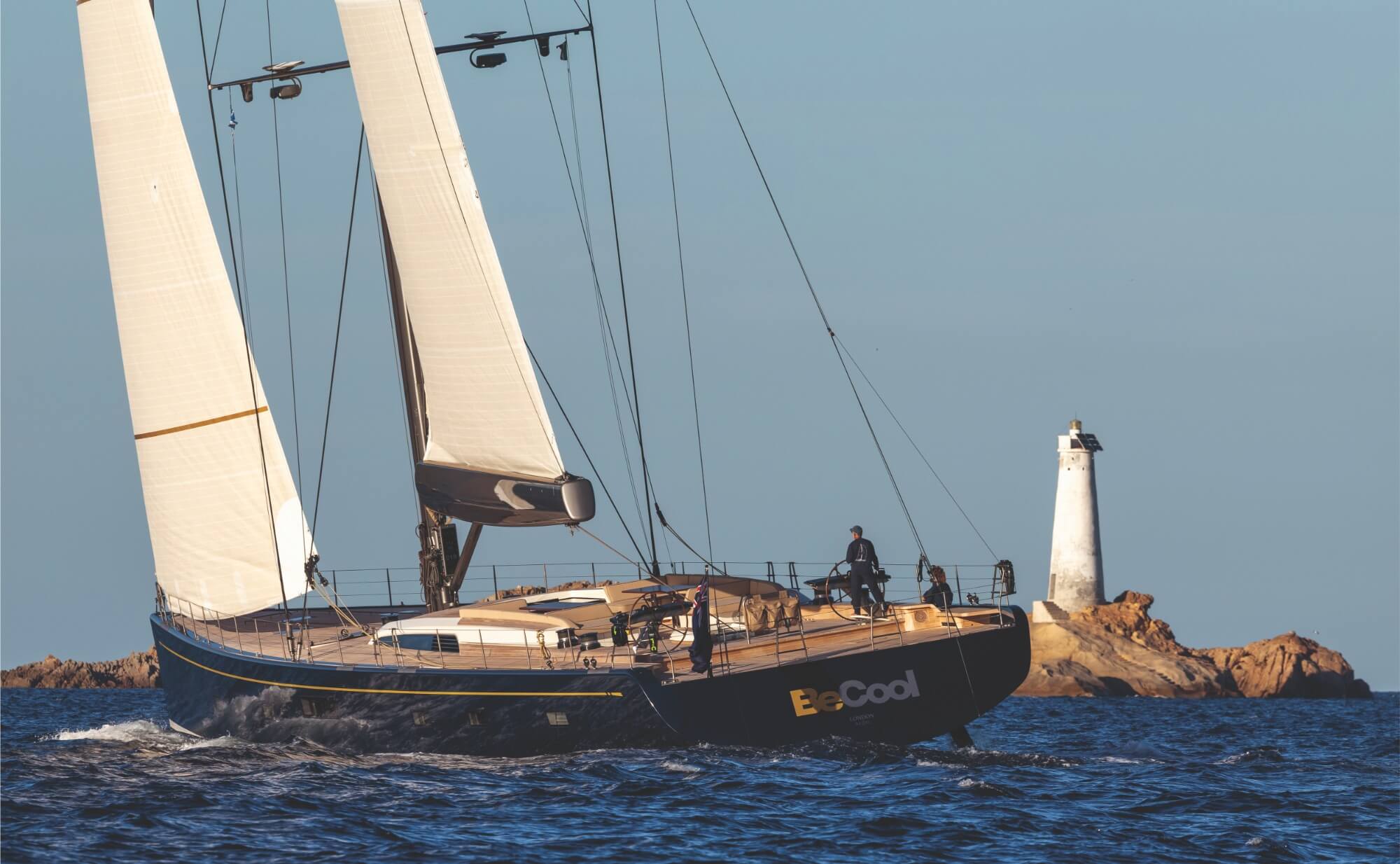
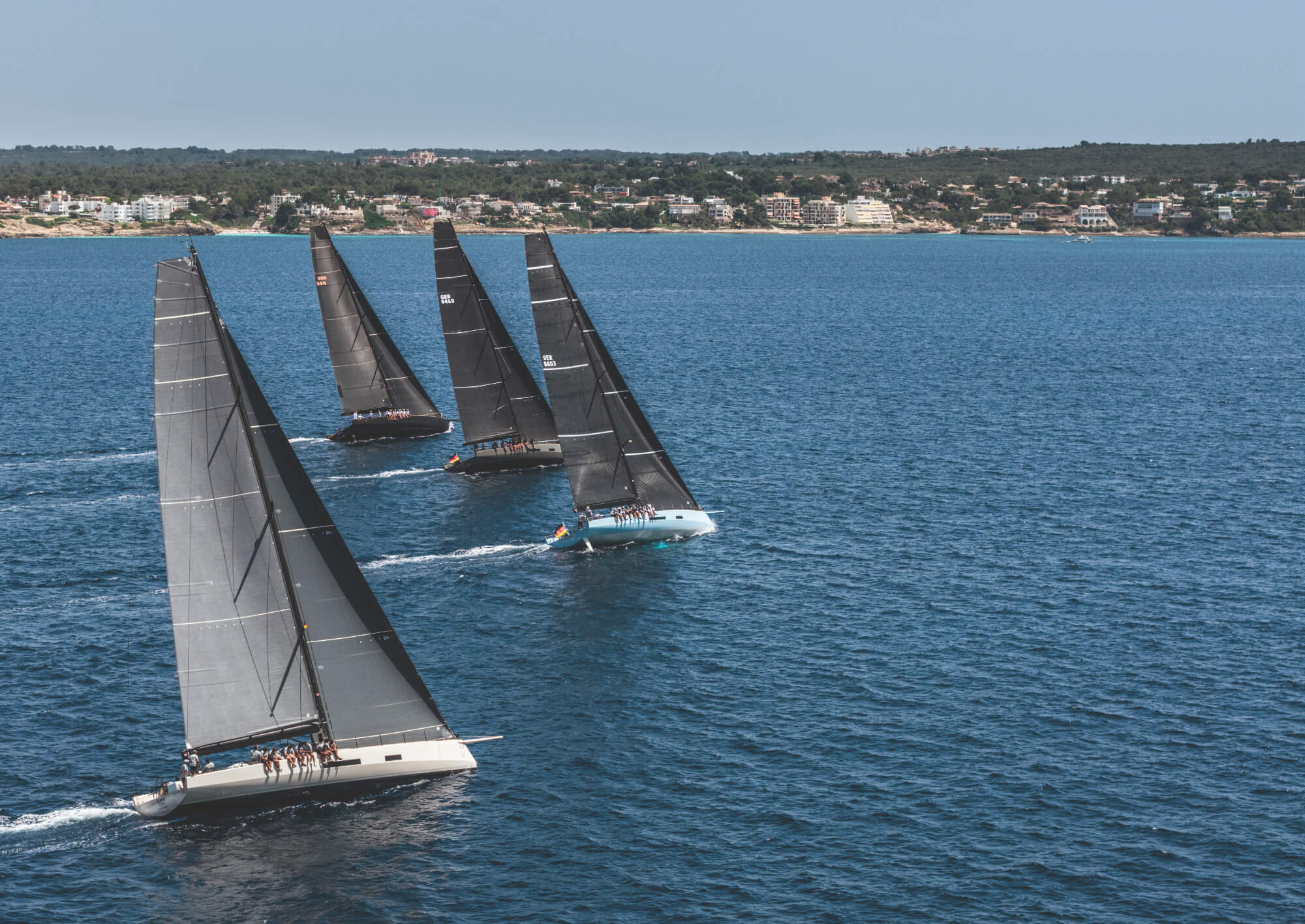
The term ‘poetry in motion’ tends to be overused. And yet, if you were fortunate enough to be in Palma de Mallorca this June, you would have seen its true meaning brought to life. The sight of four Baltic 68 Café Racers sailing side by side; each team drilled to perfection and every yacht displaying equal parts power and grace in the fresh breeze gave new vibrancy to the phrase.
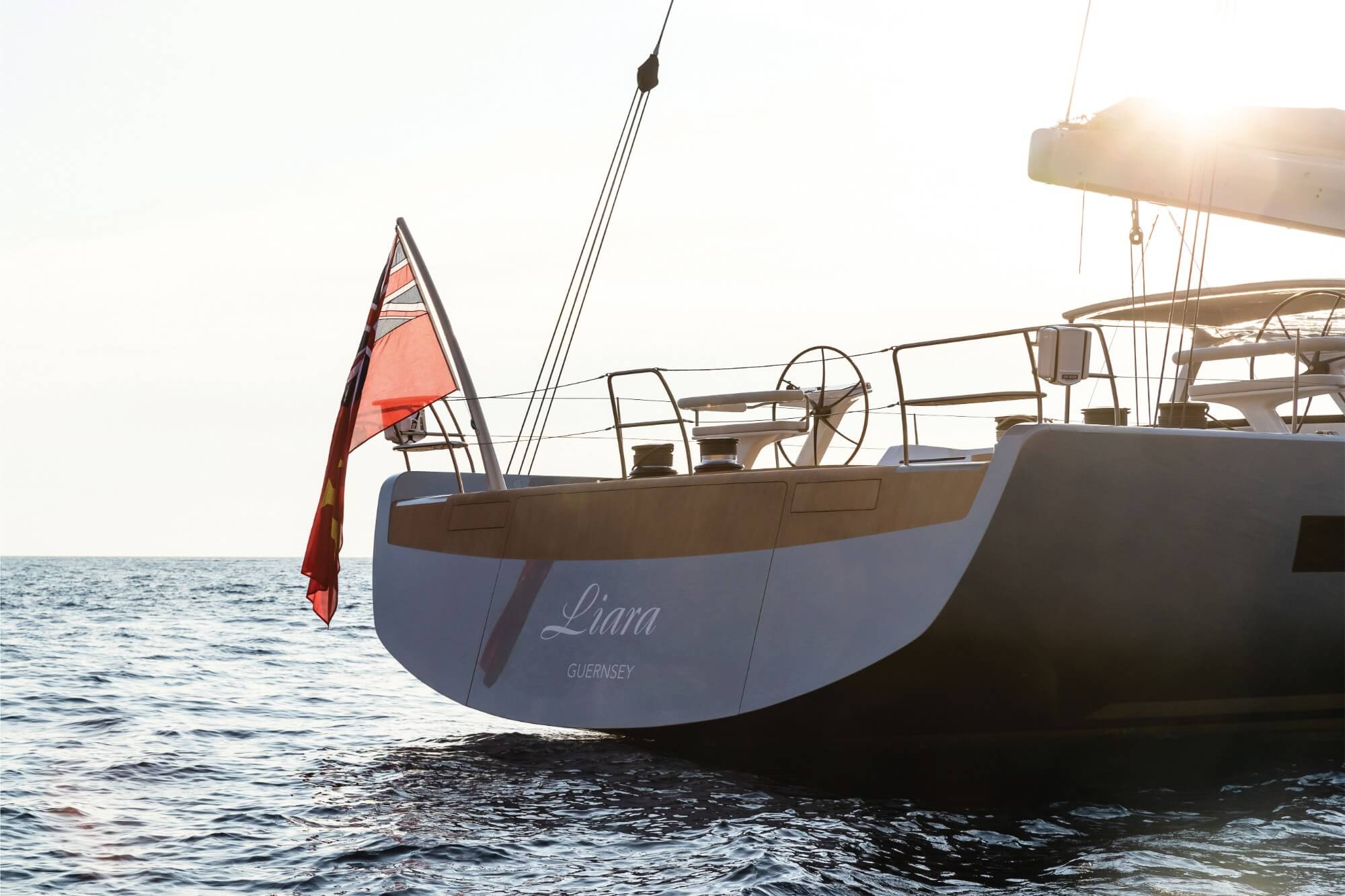
The Café Racer is a class that has slowly been gaining momentum since the launch of hull number one, Pink Gin, in 2021. The concept for the yacht was for it to be an uncomplicated supersized luxury daysailer that could be either cruised or raced. For the uninitiated, the term Café Racer refers to a genre of slick, stripped-down motorbikes from the 60s that rockers rode along country roads outside London, pausing at cafés and bars en route. In sailing, the phrase has since come to describe a fast, stylish daysailer. Baltic Yachts, however, reimagined this Pocket Superyacht concept on a grand scale, placing it on a much bigger canvas.
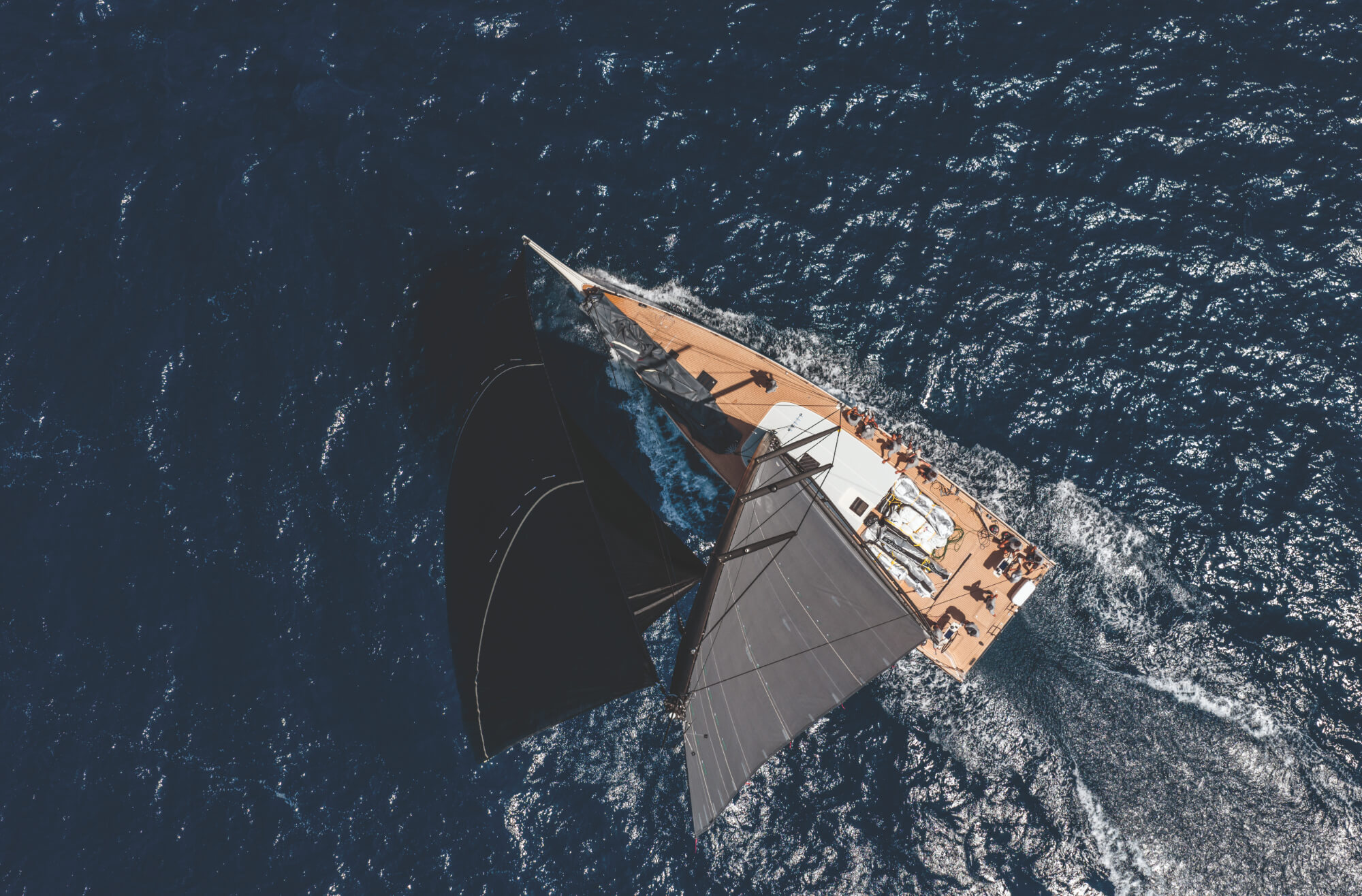
The results have been compelling. There is now a fleet of four 68s: Pink Gin, Ganesha, Open Season and Scorpione Hormar, the latest addition. All of these boats share Palma de Mallorca as a home base. The upshot of this has been that you suddenly have a class of well-matched sister ships all set to battle on the racecourse. All four owners have profited from the boats locking horns in the Superyacht Cup Palma in late June; their presence and their healthy rivalry brought fresh energy and an exciting subplot, too.
“All of these regattas in the Mediterranean are the perfect playground for this class,” explains Xim Benjumeda, Skipper of Pink Gin. “Flat water and mid-range winds, 14-18 kn are the perfect conditions for these boats to unleash their inner stallion; in those conditions, you can fully power them and go at their
maximum performance.”
“It was truly rewarding to have the four boats together, competing head-to-head,” Alfredo Mella Hernández, Skipper of Ganesha enthuses. “The 68 is a very good boat for this type of inshore racing, with its selection of sails. It felt like we were sailing a smaller, and therefore more manageable, boat – we manoeuvred where we wanted and when we wanted.”
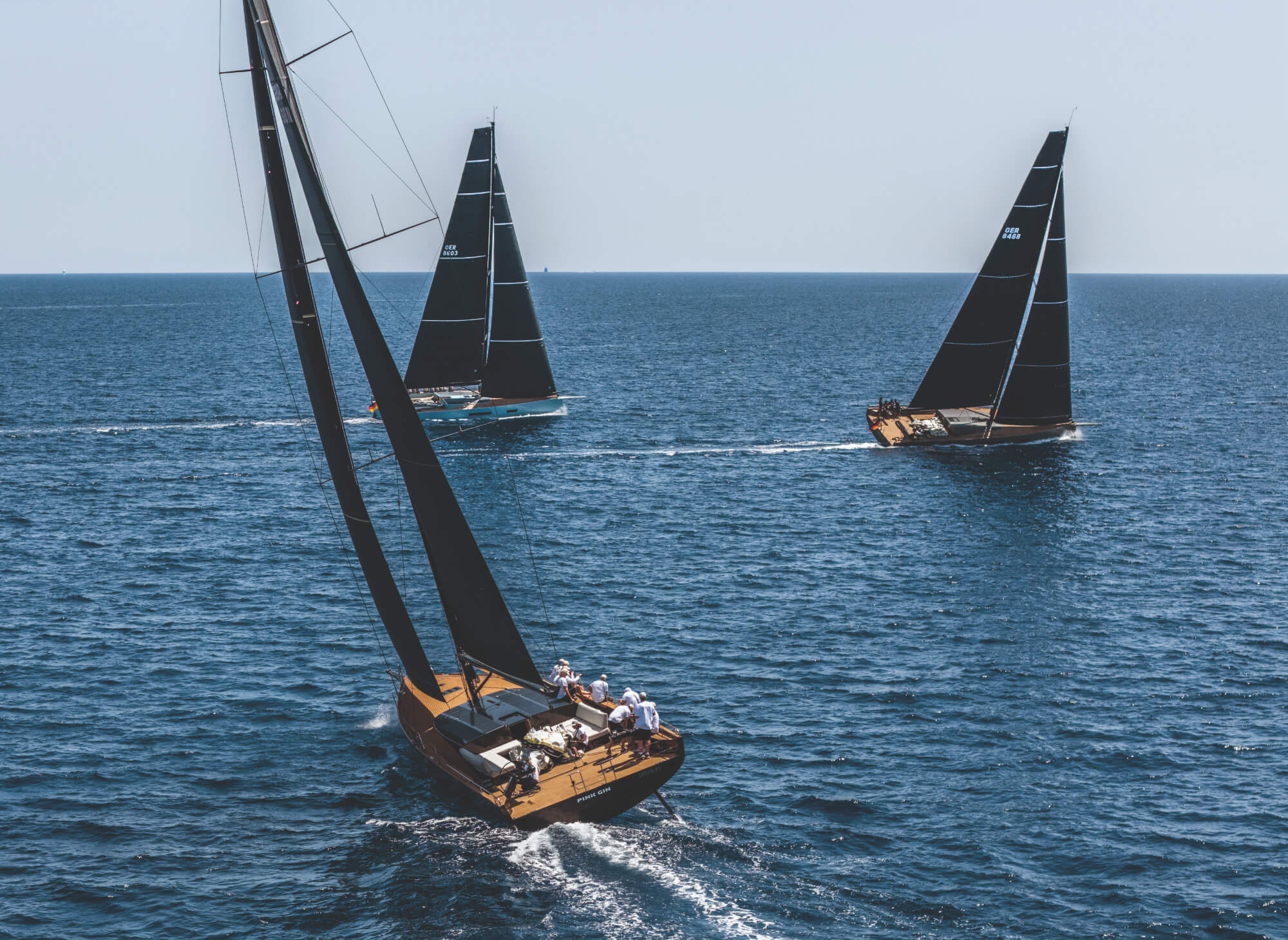
The clash of the four boats at the Superyacht Cup was preceded by a more relaxed sail, followed by a barbecue – and the Café Racers also lived up to their names by hosting coffee aboard on the first and last days of the regatta. “It was a very proud moment for all involved in the Café Racers to see four of them out sailing together,” Baltic Yachts’ Executive Vice President Henry Hawkins shares. “It was something we had dreamed about, but to see it in reality was very special. The atmosphere on the dock was as we had envisaged: competitive yet very much a family spirit.”
One thing that shone through at this initial encounter was the versatility of the 68. The boats are easily handled: in race mode they typically carry a crew of about 14, but in cruising mode they can be sailed double-handed. Their manoeuvrability, especially when compared with some of the larger entrants in the regatta, is clear. Add to that an exciting performance and you have an exceptional package.
Few know that better than Loic Fabre, Skipper of Open Season. “It’s a really fun and versatile boat,” he says. “In cruising mode, it’s moored up outside the owner’s villa and is ideal for a day sail – very simple. Prior to this, the owner had a 100-footer so the switch down to this smaller boat has made things really easy. Last year they did 23 kn at Les Voiles de Saint-Tropez, so that gives you some idea of its potential.”
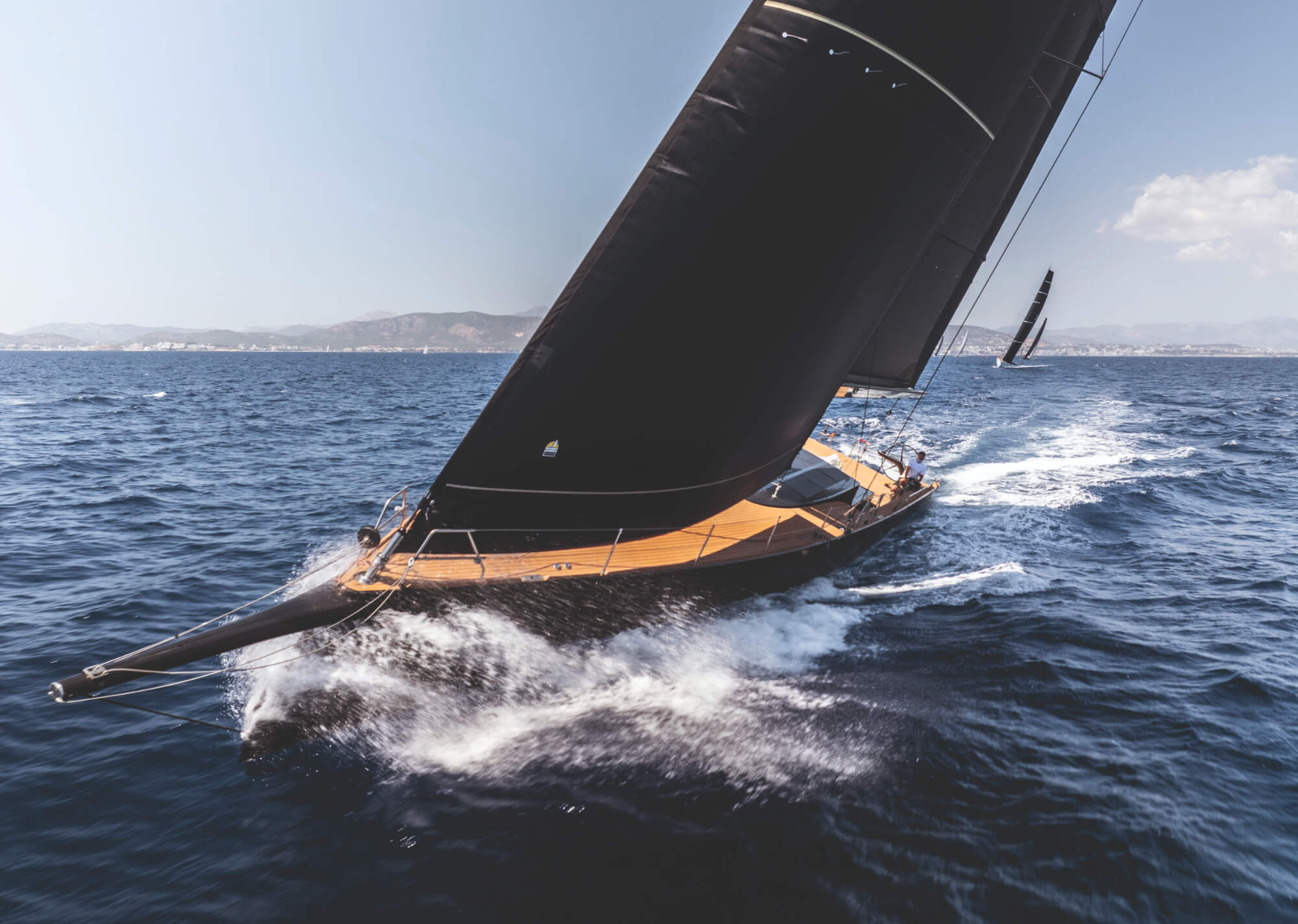
Baltic designed the boat on an ‘unplug and play’ principle: the result is that she can easily be switched from cruising to race mode. “To switch the boat to race mode, you have to change the rig set up and also fully empty it,” Fabre explains. “The beauty of it is that the interior and cockpit is removable. It’s like Lego: you remove everything and voilà, you have a boat that’s ready to race.”
As the four boats line up alongside one another, their differences also become clear. Each Baltic 68 is a semi-custom-build, so while the hull form may be the same, there can be big contrasts beyond that. If you compare Pink Gin with Open Season, it is notable that the latter is almost 2,000kg lighter and has a deeper keel plus a single rudder, compared to the twin rudder set up on the former.
Given this clear slant towards performance, it is perhaps no surprise that Open Season is viewed as the boat to beat by her rivals. “They’ve been at it for two seasons, and this is their third year,” Mella Hernández explains. “In our case, this is our first regatta, as last year we only trained and couldn’t compete due to various circumstances.”
“As for Scorpione Hormar,” he continues, “she has just arrived from the shipyard and the crew had their first sail of the boat at the Superyacht Cup. I’m sure it’s a boat that will provide strong competition in the upcoming regattas.”
One of the most notable features of the Baltic 68 fleet is the all-electric set-up. All the yachts feature electric motors – some with a diesel generator as back-up. This also translates to the winch system, which means that sailing is almost silent. The other great innovation that keeps these boats uncomplicated, even on the race course, is the use of Doyle Sails’ structured luff mainsail: it uses a reinforced luff on the mainsail to provide the tension and tweaking potential generally provided by check stays. Marry that to an easily driven, lightweight hull that doesn’t need to be overloaded to achieve maximum speed, and you have a yacht that is a joy to race.
How seriously are these clashes taken? “Look, the owners of these boats are winners,” Fabre explains. “It’s a serious race: our bosses are proper sailors, they enjoyed success on their previous boats so they take it very seriously.” His view is corroborated by Benjumeda. “Competition is always fierce: all teams train hard and are full of excellent sailors, and everybody wants to win. Victory is a very sweet taste.” Let the battle commence.