
Since cutting his teeth in yacht design with a 36-foot Swan, Andrew Winch has been involved in the design of more than 50 sailing yachts – from his first Superyacht, Cyclos III in 1990, to a full production line for Jeanneau Yachts in 2015. And despite his always-strong sailing credentials, Winch also recognised early on that for Winch Design to succeed long-term, it needed to diversify. That opportunity came with the design of the award-winning motor yacht White Rabbit in 1995, which marked a turning point in his career.
Since then, the studio has gone on to craft some of the most iconic yachts in existence – from the 156m Dilbar to the award-winning 80m Excellence, alongside countless custom yachts that have helped shape the modern fleet. Over the years, Andrew Winch Designs, now Winch Design, has evolved its skillset beyond yachting, bringing its bespoke, detail-driven approach to both private aviation and high-end residential architecture. Today, it is one of the few studios in the world that works seamlessly across all three disciplines.
“I started my own design studio in 1986 in the bedroom of my family home, designing sailing yachts – some of which were so contemporary at the time that their interiors still work today, 40 years later,” says Winch. “If you get the interior right, it stands the test of time, and no owner wants to change it.” The studio has since grown into a creative powerhouse of more than 150 specialists, with in-house expertise that spans architecture, interior design, furniture making
and sustainability.
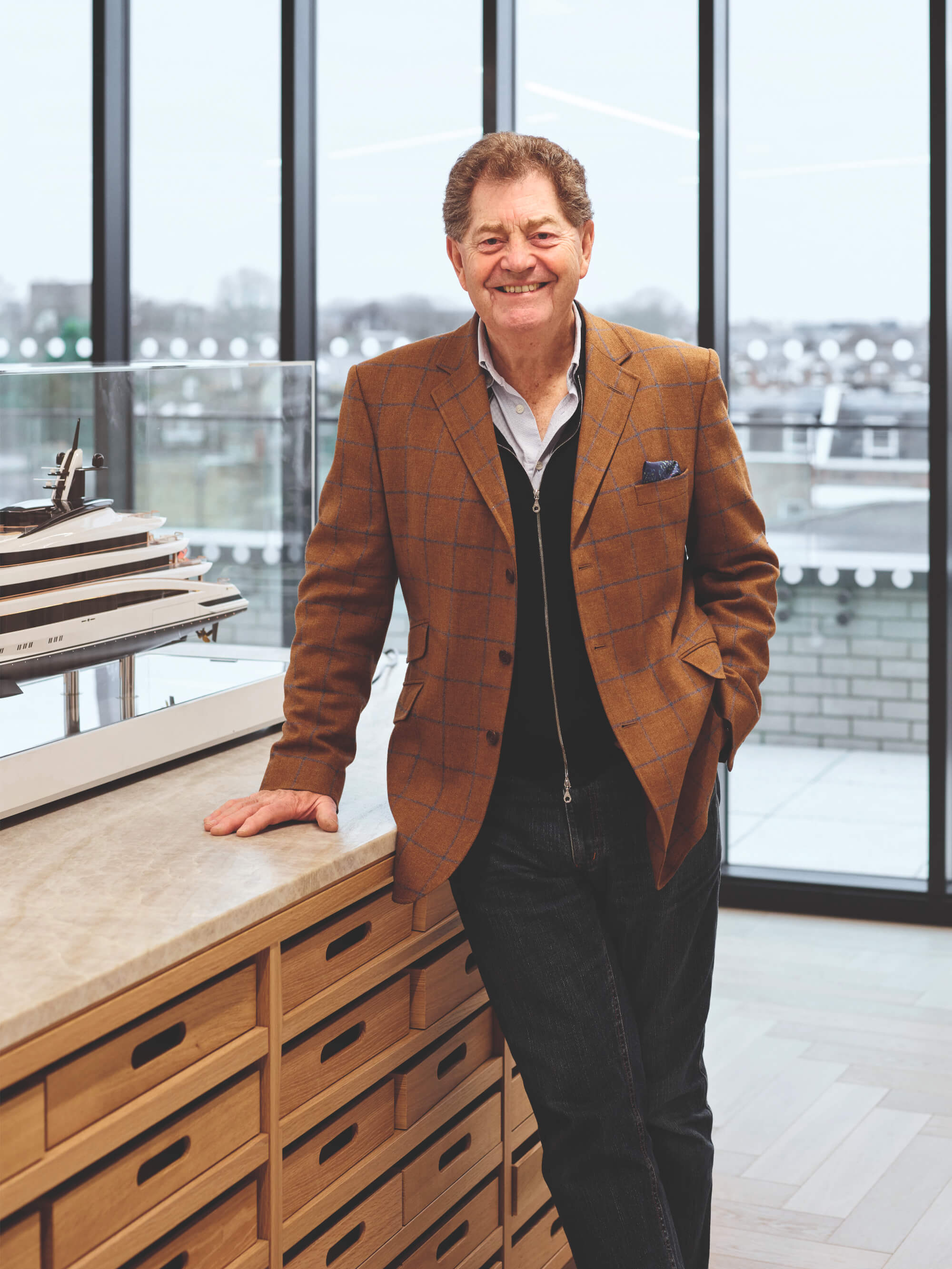
“I’ve seen the sailing yacht market rise and fall over the decades, and I’m delighted to see it having a resurgence at the moment,” Winch continues. “Whether that’s because sailing yachts are seen as having a lower environmental impact, or because their designs have evolved to align more closely with their motor yacht counterparts, I’m not sure. But perhaps we’ll once again see the large mothership and sister sailing yacht that were so iconic in the golden age of yachting.”
Winch is referring here to the early heyday of private yachting, when legendary figures like Sir Thomas Lipton and Harold S. Vanderbilt would enjoy the comfort of their grand yachts while racing their high-performance sailing yachts – a time when elegance and adventure went hand in hand.
“Clients who build sailing yachts generally want to sail,” says Winch. “They love to be involved in every detail – from the design to the helming. It’s very different from motor yacht owners, who tend to give us more creative freedom and use the yacht in a different way.” Winch Design has collaborated with many of the world’s leading sailing yacht naval architects – including Bill Tripp, Malcolm McKeon, Frers Design, Phillippe Briand, Dykstra, Ron Holland, Ted Fontaine and Ed Dubois – and forged multiple long-term partnerships, including its production line with Jeanneau yachts.
Today, the studio’s sailing division is led by Ignacio Oliva-Vélez, who brings fresh energy and a progressive design perspective to the brand’s legacy on the water. His most recent project, the 28m sloop High Five, designed in collaboration with Bill Tripp, marks a refined balance. “High Five reflects where sailing yacht design is now: performance and elegance in equal measure, with a fluid sense of space that invites both action and calm,” says Oliva-Vélez. Building on that ethos, the studio has also unveiled the 35m sailing yacht concept, Flowform – a bold vision of sailing’s future. Described by Oliva-Vélez as an “ode to the three natural elements of sailing: water, wind and light,” Flowform is defined by sculptural curves, organic volumes and a harmonious connection to the environment.

Adding further momentum, Winch Design has now revealed project Sky, an 81 sloop developed with Malcolm McKeon Yacht Design and Royal Huisman, and set to feature the world’s tallest mast. Conceived for world cruising with exceptional performance, Sky pairs a powerful rig and advanced naval architecture with serene, nature-led interiors that blur the boundary between inside and out. Together with a 56m ketch currently in development, these projects speak to a new generation of clients, those no longer limited by tradition or constraint, but driven by imagination and the desire to push boundaries in design.
“It’s harder designing sailing yachts than motor yachts,” says Winch. “There are no straight lines in a sailboat. When you’re designing the interior, you have to think three-dimensionally. A motor yacht can have straight walls – a sailboat, or indeed a plane, is a fully three-dimensional object.” This understanding of space and form has made the transition into aviation a natural one. Winch Design’s aviation division creates bespoke interiors for private jets, with the same meticulous attention to proportion, detail and movement found in their yacht projects. The studio has collaborated with Dassault, delivering a Falcon 7X featuring an exterior livery inspired by artistry of Van Gogh – a striking example of Winch Design’s ability to translate fine art into motion and craftsmanship into flight. Aircraft like the Falcon 7X further exemplify the level of innovation, comfort and customisation that parallels modern Superyacht design. “Designing an aircraft interior shares many challenges with yachts,” explains Jim Dixon, Studio Principal for Yachts and Aviation at Winch Design. “Space is limited, volumes are curved and every detail must balance luxury with function and safety. But in both cases, it’s about making the journey as inspiring as the destination.”
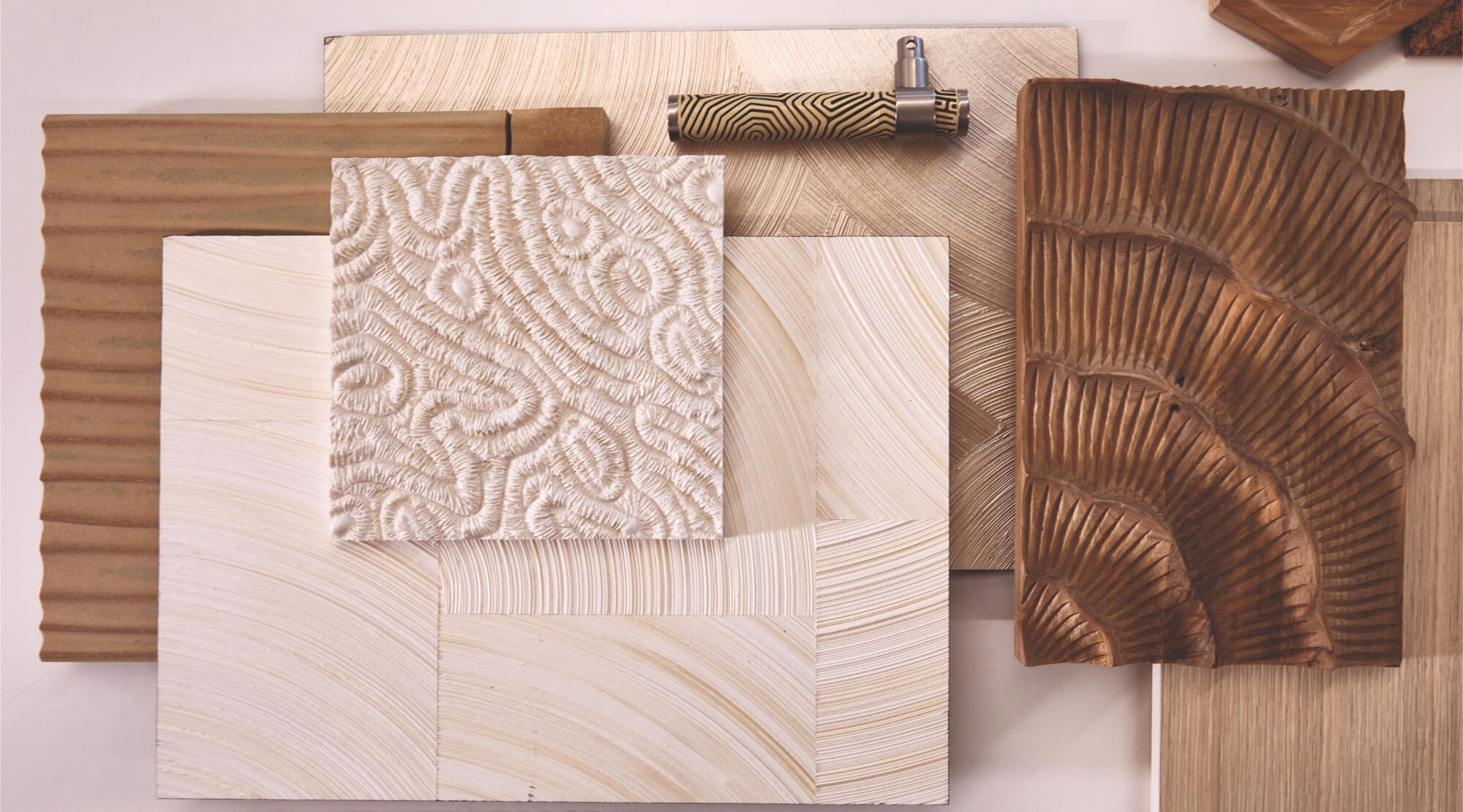
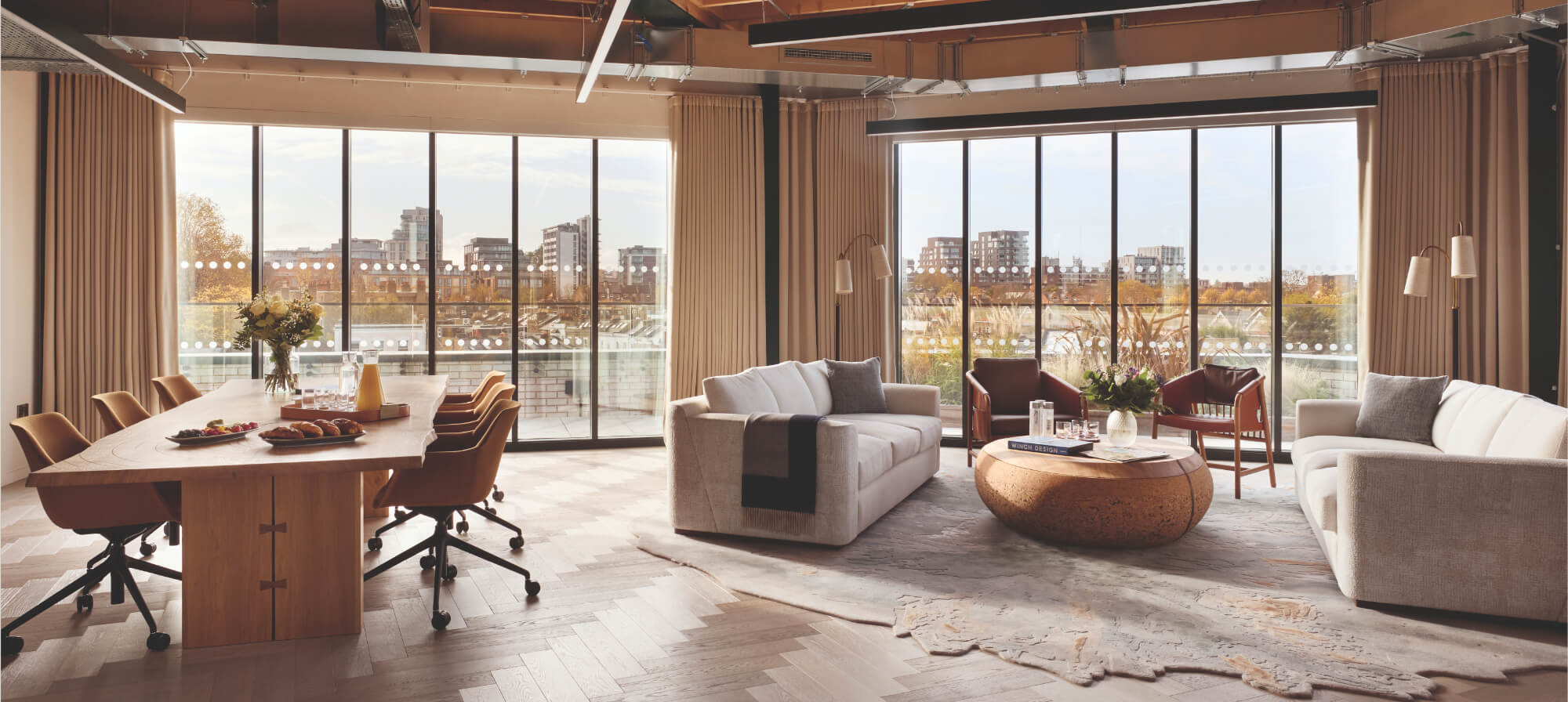
The same philosophy extends to Winch Design’s high-end residential projects, which range from contemporary penthouse apartments to private estates. Recently, the studio delivered a stunning beach villa in St Barths, exemplifying its holistic approach to luxe living. “Our residential projects are an extension of the client’s lifestyle, much like a yacht,” says Dixon. “We take the same narrative-driven approach, integrating architecture, interiors and bespoke furniture to create spaces that are not only beautiful, but deeply personal.” This multidisciplinary reach allows Winch Design to innovate and push the boundaries of what bespoke design can achieve. “Whether on water, in the air or on land, our goal remains the same: to craft environments that resonate emotionally and stand the test of time,” says Dixon.
Looking ahead, Winch remains passionate as ever about sailing. “I’d love to see my career continue with more and more sailing yachts,” he says. “I get a tremendous kick out of seeing young designers learning to design a sailing yacht. It’s complex, demanding, but it’s also incredibly rewarding.”
As sailing yachts find their spotlight once again, Winch Design remains at the helm, continuing to chart a bold course for the future of yacht design.